AI meeting minutes · Automation guide
How to automatically generate meeting minutes with AI
Most meeting-minutes workflows still start with someone typing. AI makes it possible to replace that step entirely — you set up a recording pipeline once, and it produces structured minutes without manual note-taking. The part most guides skip is the recording step: if the audio is unclear or speakers blend together, every downstream AI tool produces unreliable output.
 Best for conference rooms
Quick answer
How to automatically generate meeting minutes with AI — 4 steps
Set up the pipeline once; it runs every meeting without manual steps.
1. Set up your recording method
Choose between a hardware recorder, a platform bot, or a standalone app. Your choice determines which meeting types the pipeline can cover.
2. Capture the meeting with auto-transcription
Start recording before the meeting begins and let transcription run in parallel. Speaker labeling at this stage makes the AI summary more accurate.
3. Run AI summarization to extract structure
Raw transcripts are not minutes. Pass the transcript to an AI tool with a structured template — decisions, action items with owners, open questions.
4. Review and export
AI-generated minutes need a one-pass review for speaker attribution and action item completeness. Then export to Notion, Google Docs, or your team tool.
Methods
Four ways to automatically generate meeting minutes
Compared on compatibility (in-person and online), cost, and setup effort per meeting. Low = easiest or lowest cost.
Manual note-taking
A person types during the meeting then reformats the notes — cannot keep pace in meetings over 60 minutes.
App-based bot (Otter, Fireflies, tl;dv)
An AI bot joins the call and records from inside the platform — bot invite required each meeting; in-person meetings not covered.
Platform built-in AI (Teams Copilot, Zoom AI, Gemini)
AI built into the meeting platform transcribes and summarizes automatically — locked to one platform; cross-platform and in-person not covered.
Dedicated AI recorder (Plaud Note Pro)
Physical recorder captures audio directly; Plaud Intelligence transcribes and summarizes after the meeting — no bot, no platform account required.
Based on common meeting workflows and Plaud product data. Always follow your organization's recording policy and local consent rules.
Tips
What makes AI meeting minutes good
AI-generated minutes are only as good as the audio and structure going in. The four conditions below explain why some pipelines produce clean, shareable output and others require extensive editing — and how each maps to what the recording device and AI tool actually do.
The easier way
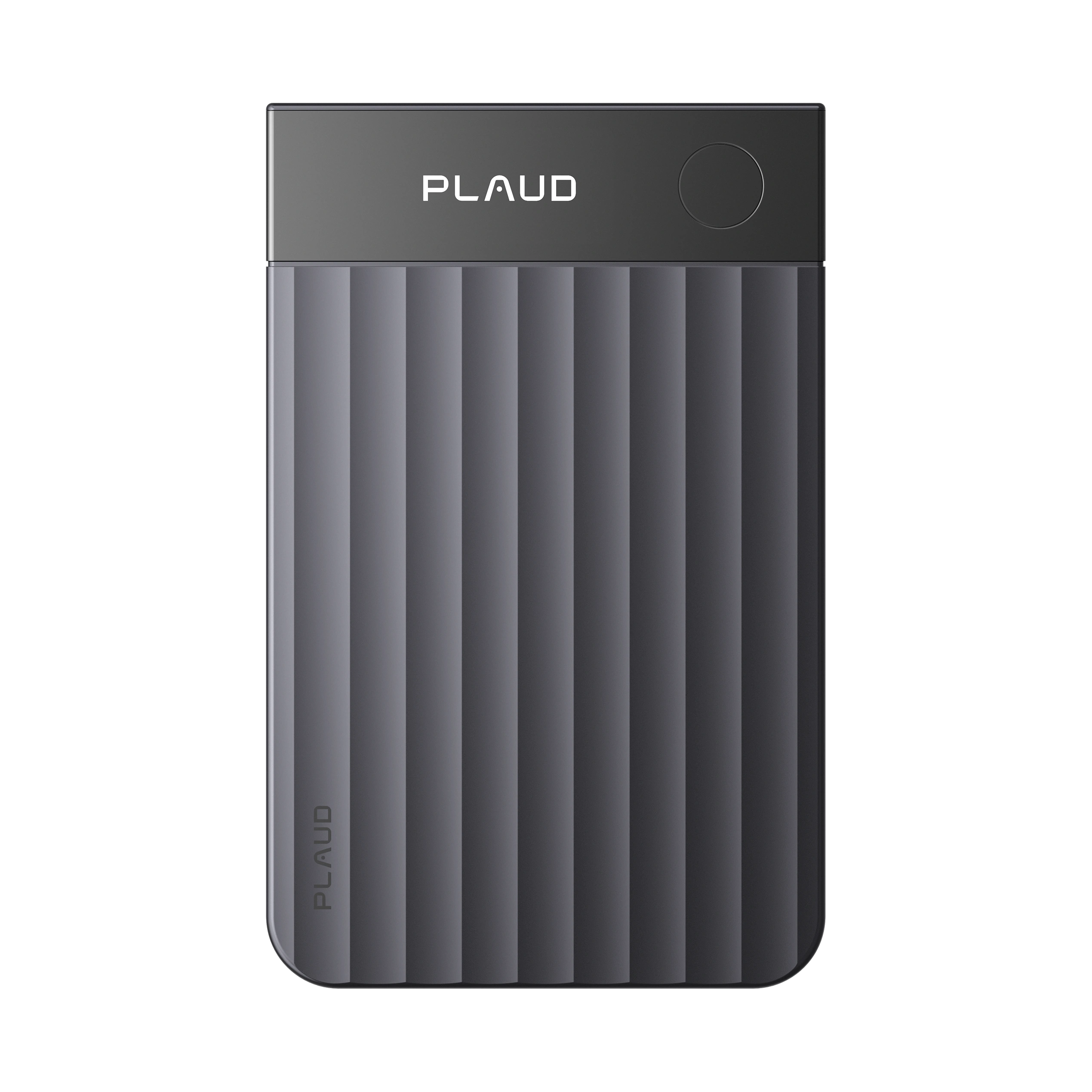
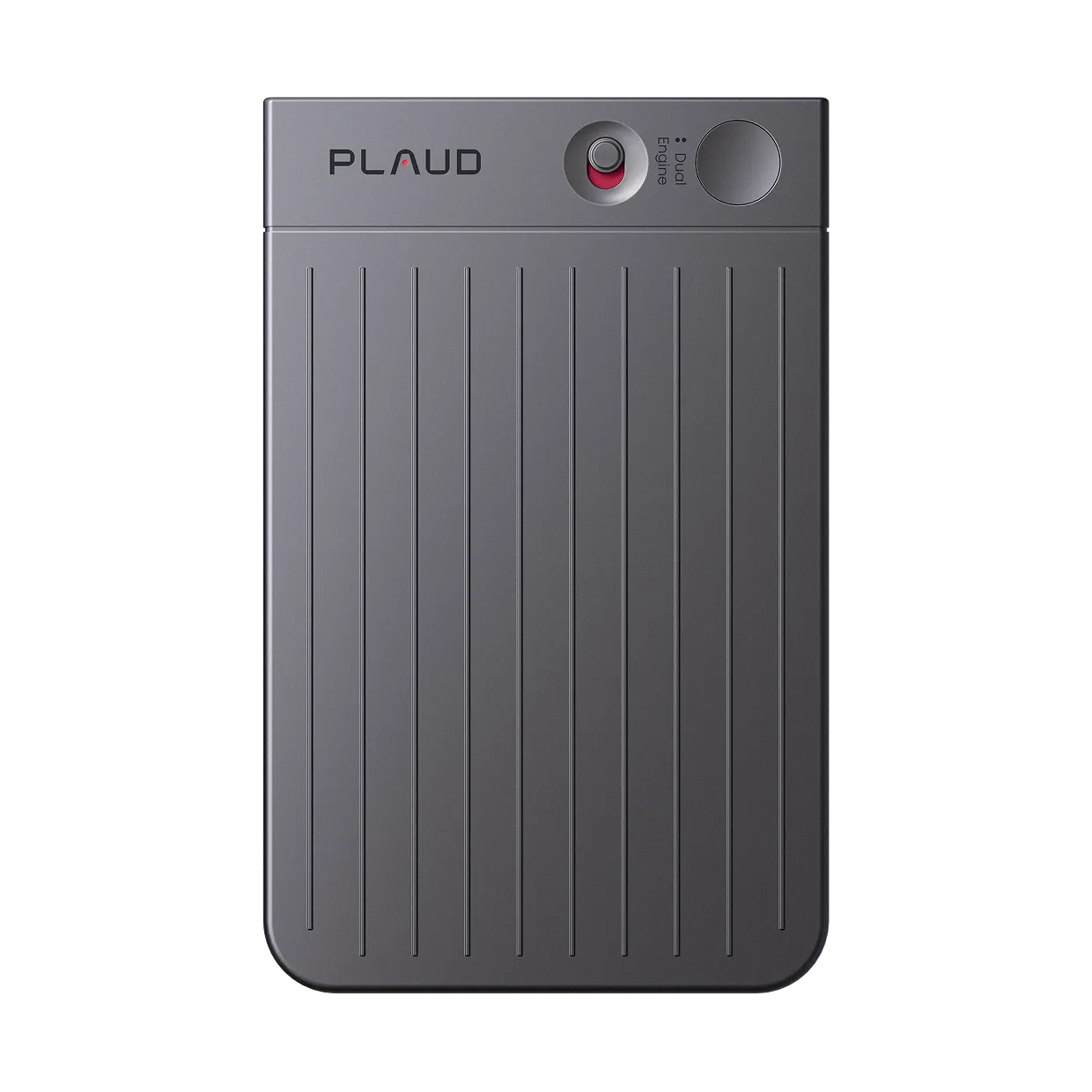
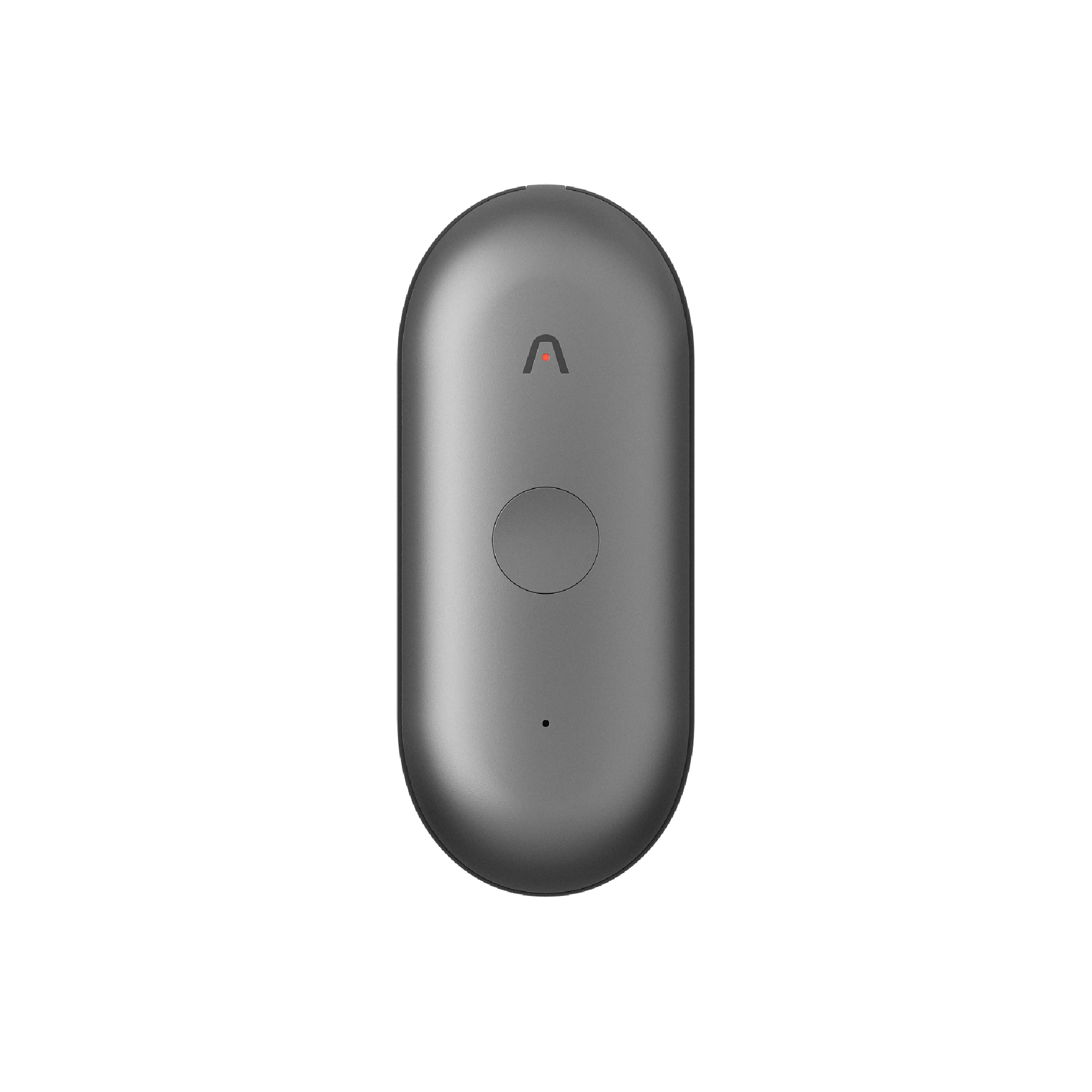
Plaud Note Pro — the recording step, solved
Plaud Note Pro is a physical AI note taker that handles the recording step without platform restrictions — no bot to invite, no app to keep running, no manual mode switching. Smart dual-mode automatically detects phone calls and in-person meetings. After the session, Plaud Intelligence converts the recording into structured minutes with decisions, action items, and follow-up tasks.
- 4 MEMS mics + AI beamformingcaptures speech clearly at up to 5 meters; handles multiple speakers without repositioning.
- Smart dual-mode auto-detectionrecognizes phone calls and in-person meetings automatically; the right recording mode every time.
- AI summaries with 10,000+ templatesoutputs structured minutes with decisions and action items, not just a raw transcript.

Plaud Note Pro
The world's most advanced physical AI note taker — no bot, no platform required.