Lecture recording · How-to guide
How to record and take notes in lectures
Recording a lecture solves the problem of losing content when the lecturer moves faster than you can write. Taking notes during the lecture solves the problem of staying engaged. Doing both together produces a different result than either alone: the recording becomes a complete source, and the in-class notes become an index — markers for the sections that need closer review. The combination works better than each method in isolation.
 Best for lecture recording
Quick answer
4 steps to record and take notes in any lecture
The key is treating recording and note-taking as two different jobs: recording captures everything; in-class notes mark what matters. The two together produce a more useful study source than either alone.
1. Start the recording before the lecture begins and leave it running continuously
Do not pause to write notes or check references. A continuous recording from start to finish is the complete source. Gaps break the transcript at the points where the lecturer was making connections.
2. Use in-class time for minimal notes — key terms, topic markers, and questions
Write a topic label when the subject changes, a key term you want to find later, a question to follow up on. These become the index for the transcript. Trying to transcribe in real time defeats the purpose of the recording.
3. Review the AI transcript after the lecture and locate the sections you marked
Find the parts of the transcript that correspond to the in-class notes. Review those sections in detail. Use the transcript to fill in anything you missed or wrote incompletely during the session.
4. Build structured study notes from the combined source
The transcript provides the complete text. The in-class notes identify which sections are most important. Together they produce study material that is both complete and already prioritized for revision.
Methods
Which setup produces the most complete lecture notes
Compared on how much attention the method requires during the lecture, recording quality at a student's seat, how much reconstruction is needed after the session, and how complete the final notes are.
Manual notes only (no recording)
Student writes during the lecture. When the lecturer moves faster than the writing speed, content is missed.
Phone Voice Memos only
Phone placed on the desk records ambient audio. Student relies entirely on the recording for the content.
Laptop OneNote + built-in mic
Student types notes directly in OneNote while the laptop mic records. Keyboard and fan noise dominate.
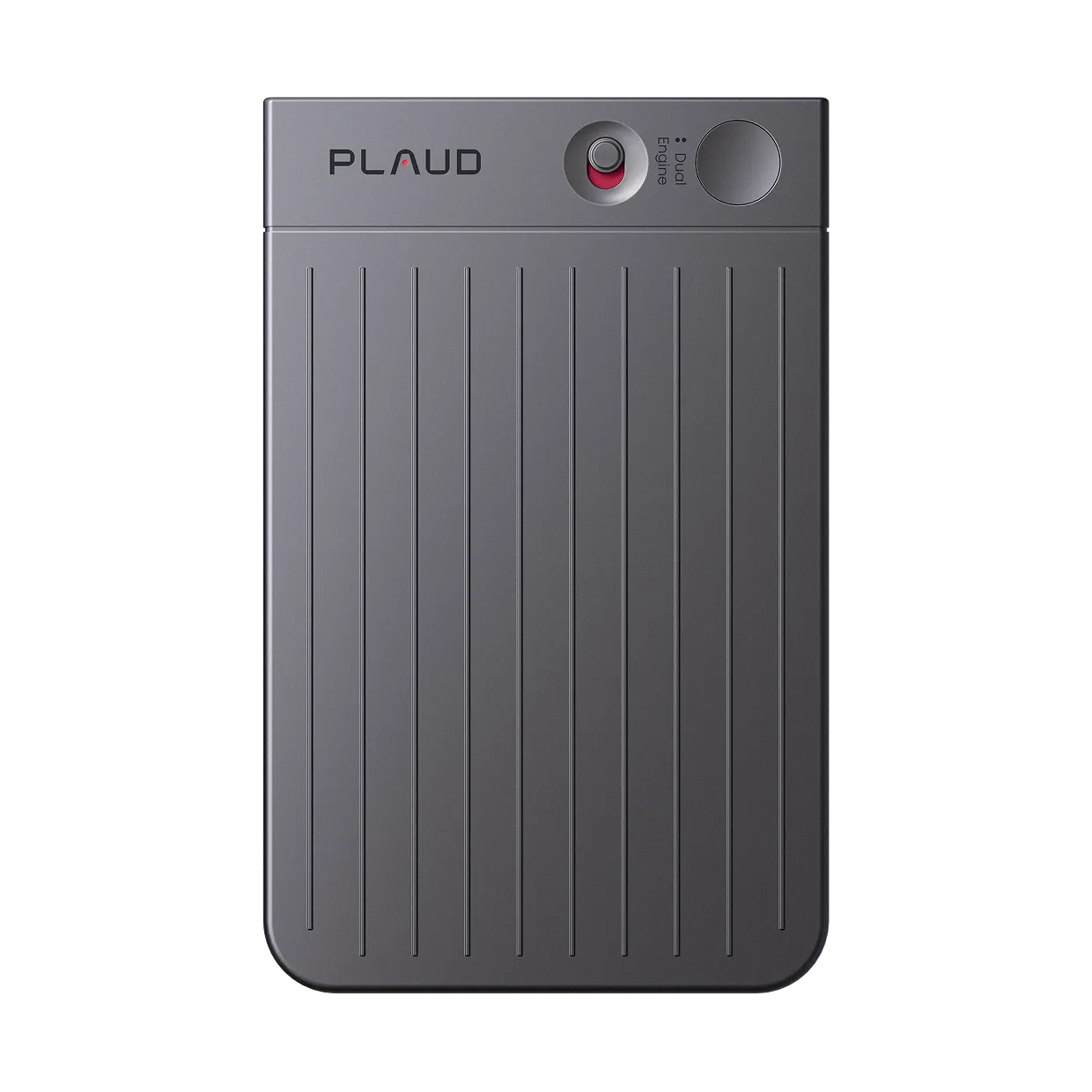
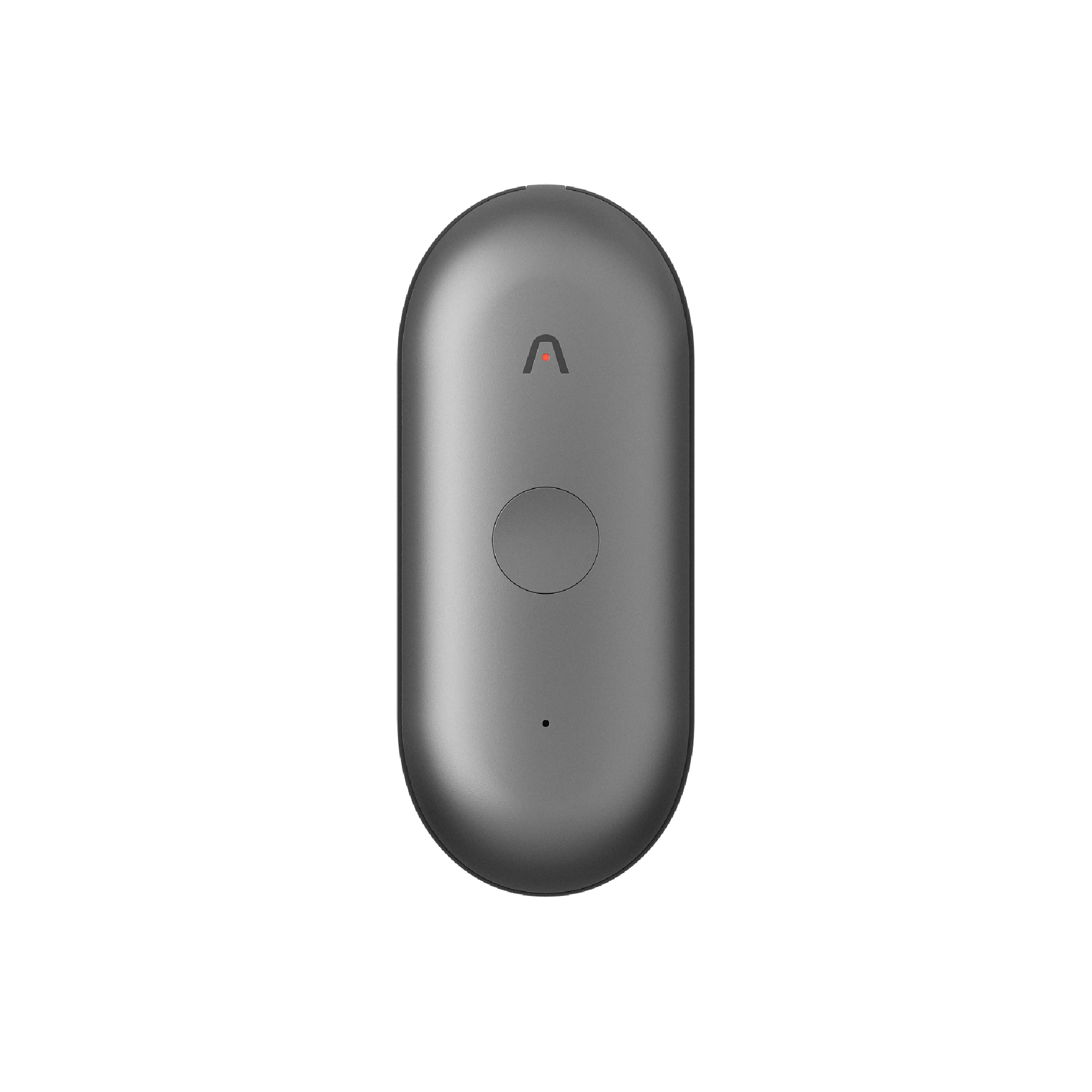
Wearable AI note taking device (Plaud NotePin S)
NotePin S clips to a collar or lanyard and records continuously. Minimal in-class notes create an index for the AI transcript.
Based on common student recording scenarios and Plaud product data. Always check your institution's recording policy.
Tips
What makes recording and note-taking work together in a lecture
Recording and note-taking pull in opposite directions when both require full attention. Recording handles the complete capture problem. Note-taking during the lecture handles the engagement and indexing problem.