Phone call recording · How-to guide
How to Record and Transcribe Phone Calls (2026 Guide)
Most phone call recording apps that worked a few years ago have stopped working. iOS and Android tightened OS-level audio access, and app stores removed the tools that sales teams and legal professionals once relied on. If you need a reliable way to record and transcribe phone calls today, the approach has changed.
 Best for automatic phone call recording and transcription
Quick answer
4 steps to record and transcribe a phone call
Consent comes first. Method selection determines whether both sides of the call are captured clearly.
1. Confirm consent from all parties before you start recording
Always verify that recording a phone call is legal in your jurisdiction and that all parties have given their consent before recording begins. Many US states and countries require all-party consent for telephone recordings. Recording a call without the other party's knowledge can violate wiretapping statutes. Tell the other party at the start of the call that you are recording.
2. Choose your recording method: built-in feature, app, or dedicated hardware
Use your phone's built-in call recording feature if your device and region support it. If not, use a third-party app (with OS restrictions that vary by platform) or a dedicated hardware recorder that attaches to the phone. Hardware recorders operate outside the OS audio permission layer.
3. Start the recording before the call begins and verify it is active
Check for a recording indicator or audio level meter to confirm capture is running. A recording that fails silently captures nothing. Confirm the recorder is active before the other party joins the call.
4. After the call ends, sync to your transcription service and save the record
Export the audio file or use automatic transcription if your device supports it. Save the transcript alongside the original audio for documentation, compliance review, or future reference.
Methods
Which phone call recording method works for your situation
Compared on whether both sides of the call are captured, which devices and regions each method supports, whether a transcript is generated automatically, and how much manual setup is required.
Built-in phone recording (Google Pixel, iPhone in select regions)
Available natively on Google Pixel devices and on iPhone in a small number of supported countries. No app required. Often announces the recording to both parties automatically.
Third-party call recorder app
Worked broadly before iOS 14 and recent Android updates restricted background audio access. Many apps now capture only one side of the call or fail silently. Test on a short call before relying on this for anything critical.
Speaker phone with external recorder
Place the call on speaker and record with any external device nearby. Works with any phone and any carrier. Room noise and uneven voice volume reduce transcript accuracy. Works best in a quiet room.
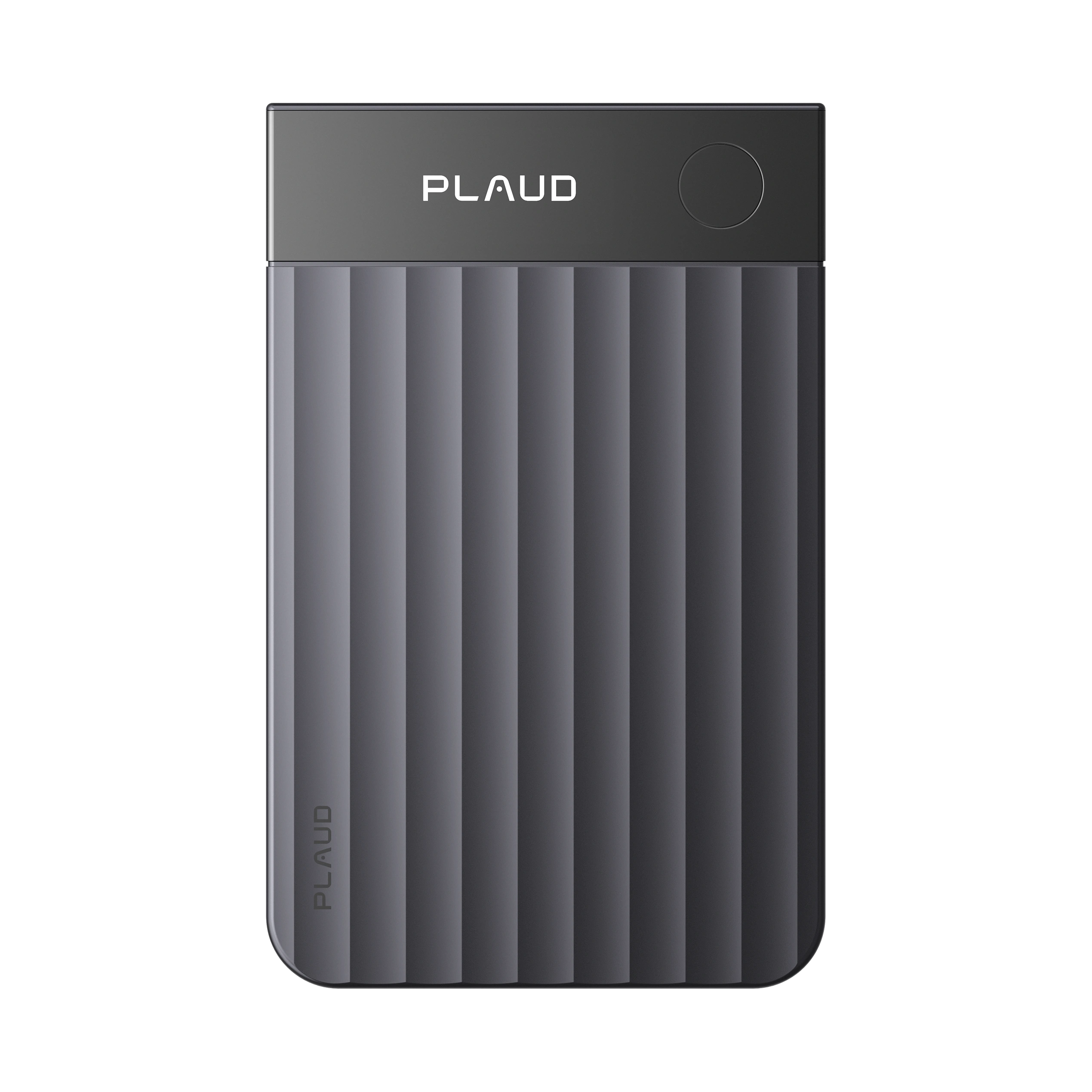
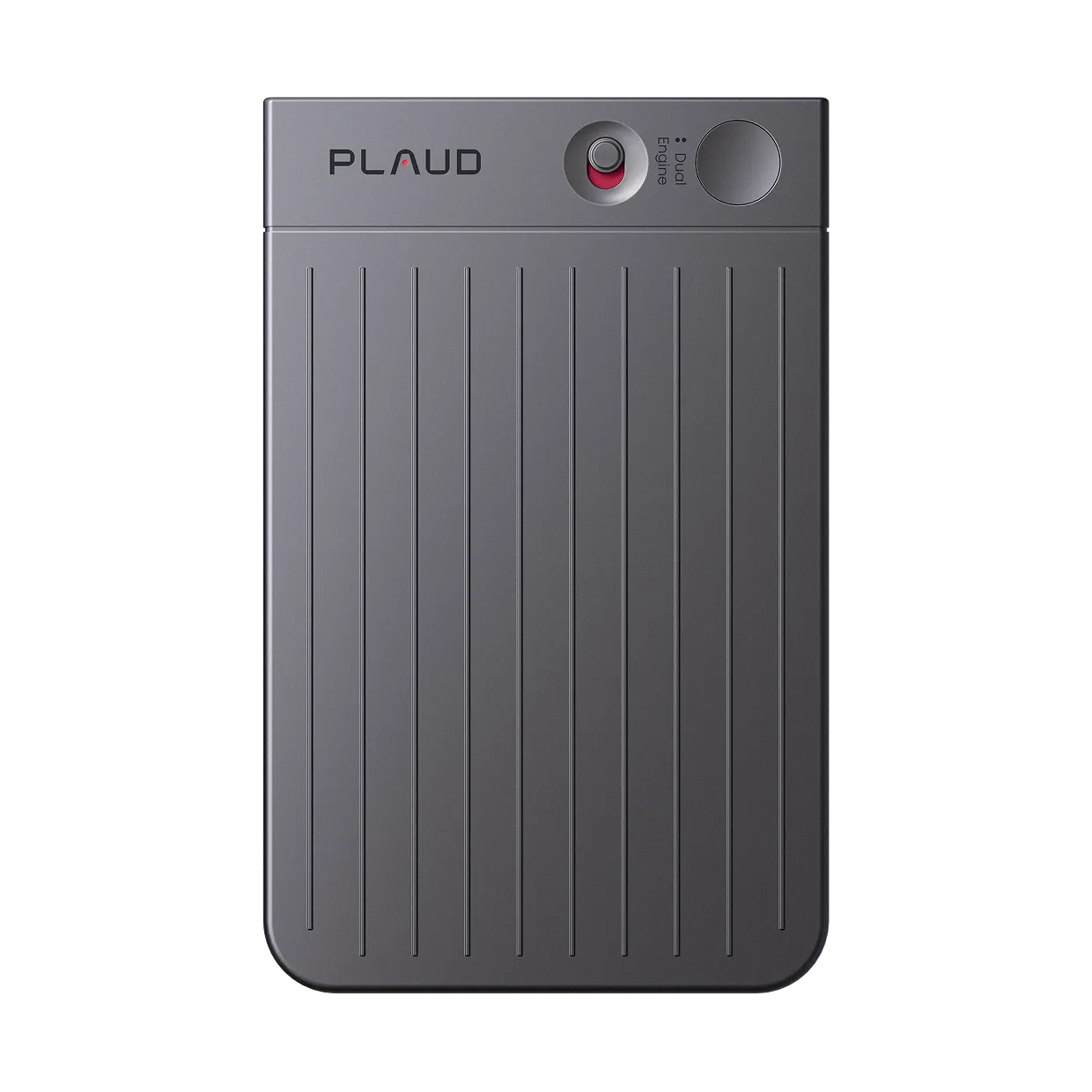
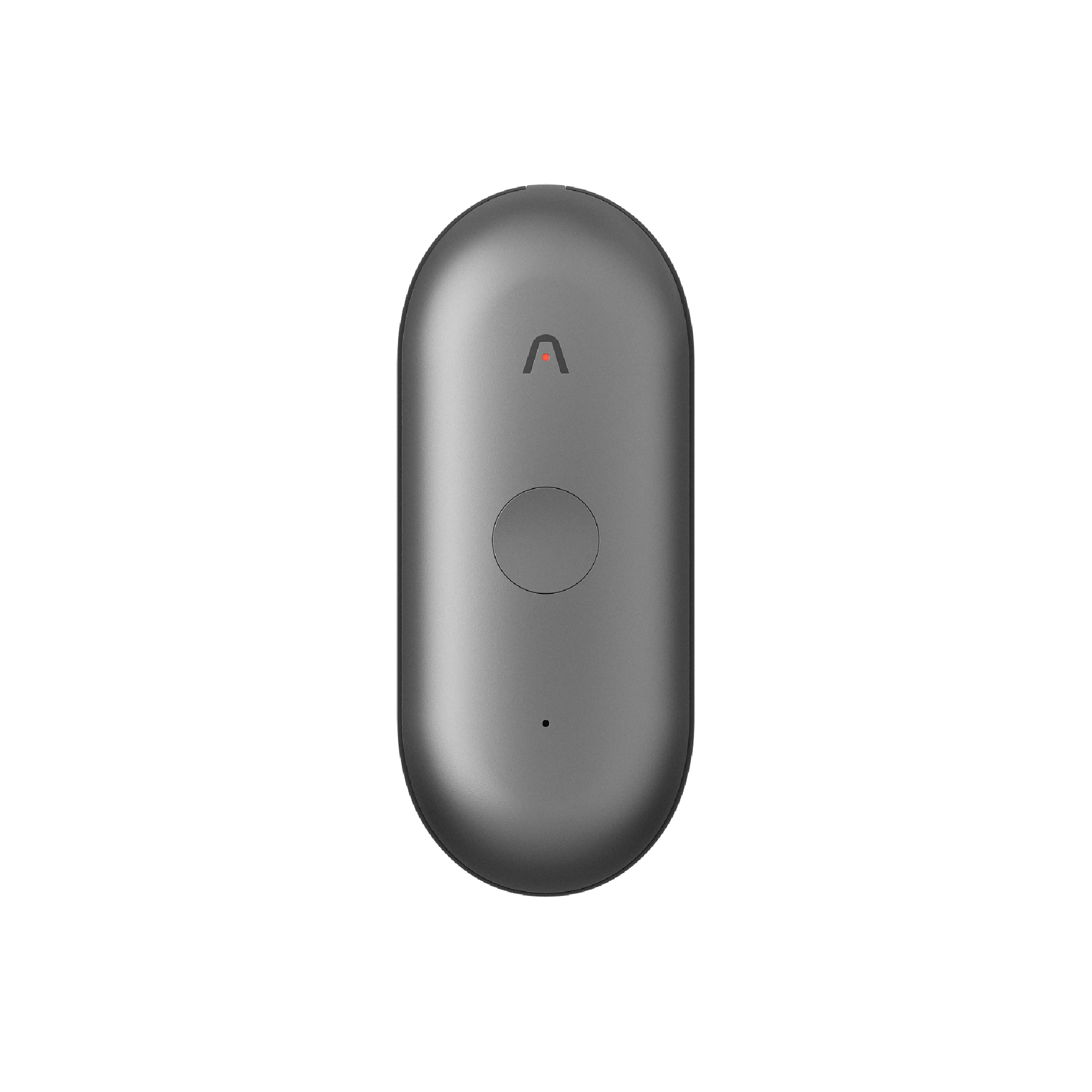
AI recorder (Plaud Note Pro)
Attaches to iPhone via MagSafe. Smart dual-mode auto-detects a phone call and switches to call recording mode. Captures both sides at the hardware level with no app dependency or OS permission required. Always record with participant consent.
Based on common phone call recording workflows and Plaud product data. Always confirm consent from all parties and follow local recording laws.
Tips
Most phone call recordings fail before transcription even starts
Capture reliability, full-call coverage, and automated transcription are the three things a phone call recording must deliver to be useful. Whether the device records both sides of the call clearly. Whether the method still works after the latest OS update. Whether a transcript is ready without a separate upload or service account.