Lecture recording · How-to guide
How to record lectures for clear audio and transcription
Most lecture recordings fail before transcription starts — a phone on a desk two rows back picks up chair scrapes and corridor noise better than the lecturer's voice. The fix is placement, not a better app. A wearable recorder keeps the microphone close to you throughout the lecture, regardless of where you sit.
 Best for students
Quick answer
How to record lectures — 4 steps
Placement is the single biggest factor. Get the mic close to the sound source before anything else.
1. Position the mic as close to the speaker as possible
Wear the recorder on a lanyard or clip — don't leave it on a desk at the back of the room. Mic distance is the primary determinant of transcription accuracy.
2. Press to start recording when the lecture begins
Long press the physical button. No screen to manage during the lecture — one interaction at the start, nothing until it ends.
3. Keep the device stable and undisturbed throughout
Avoid adjusting or covering the mic. If the lecturer moves, the wearable recorder stays oriented because it is on you, not on a fixed surface.
4. Upload and generate an AI transcript after class
Connect to Plaud Intelligence after the lecture for transcription and structured study notes — summaries, key points, definitions.
Methods
Four ways to record lectures
Compared on audio quality at typical classroom distances, transcription accuracy for fast speakers, and effort required per lecture.
Phone left on desk or in bag
Most common approach — leaves the mic far from the lecturer and exposed to all surrounding noise.
Laptop built-in mic (e.g. OneNote on MacBook)
Even worse pickup than a phone; captures keyboard noise, trackpad clicks, and ambient room sound.
Phone app with noise reduction (Dolby On, Otter.ai)
Noise reduction helps with post-processing but cannot compensate for a mic that is too far from the source.
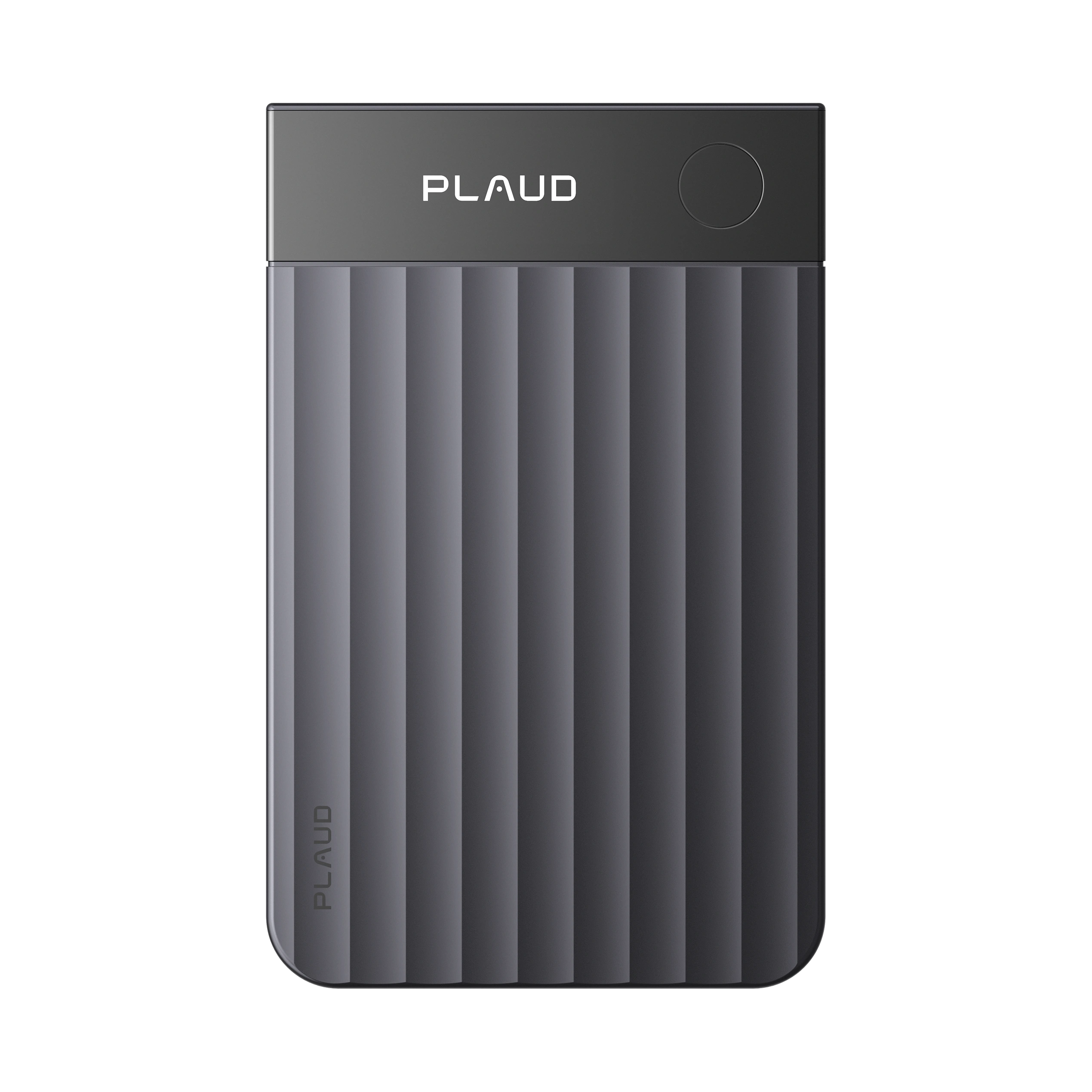
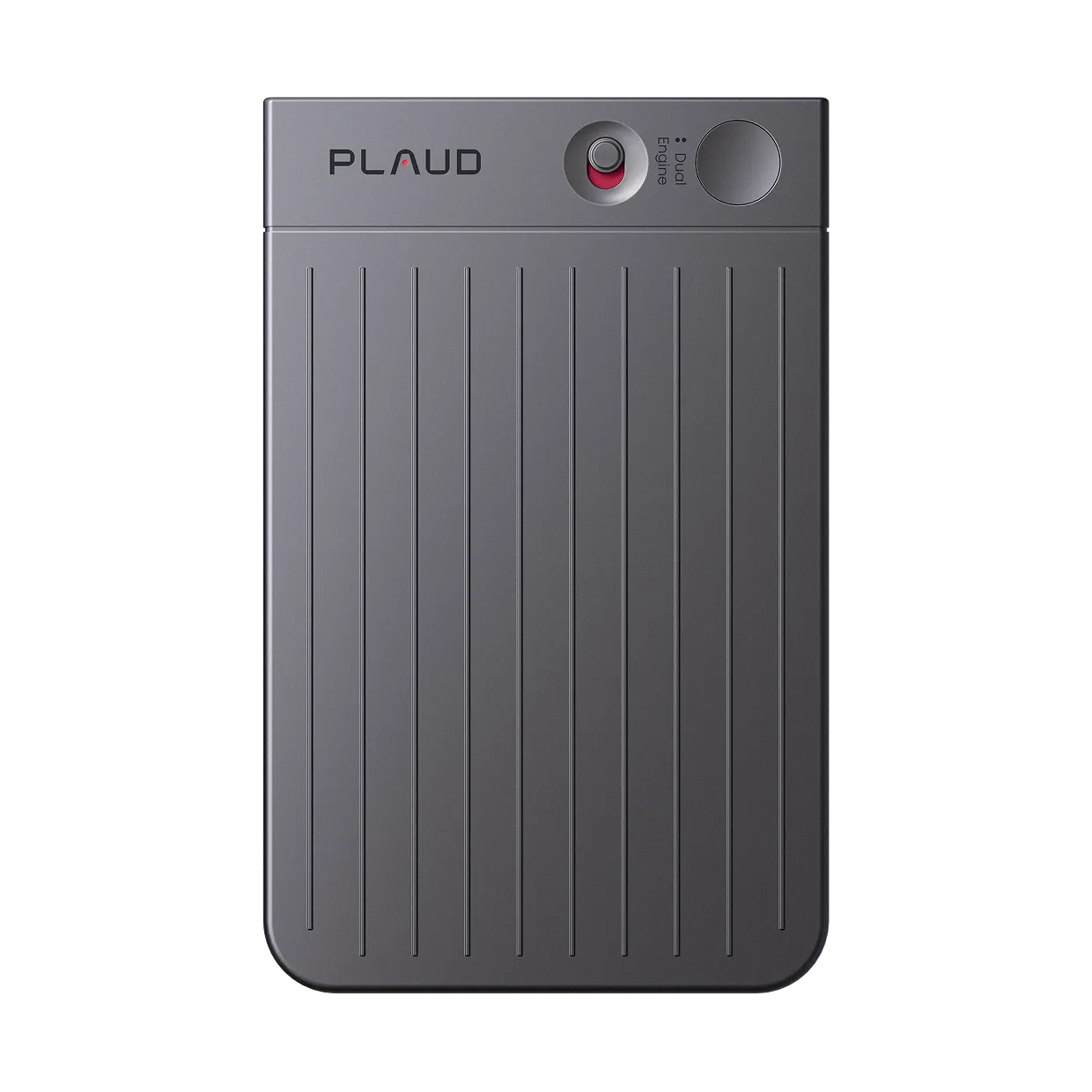
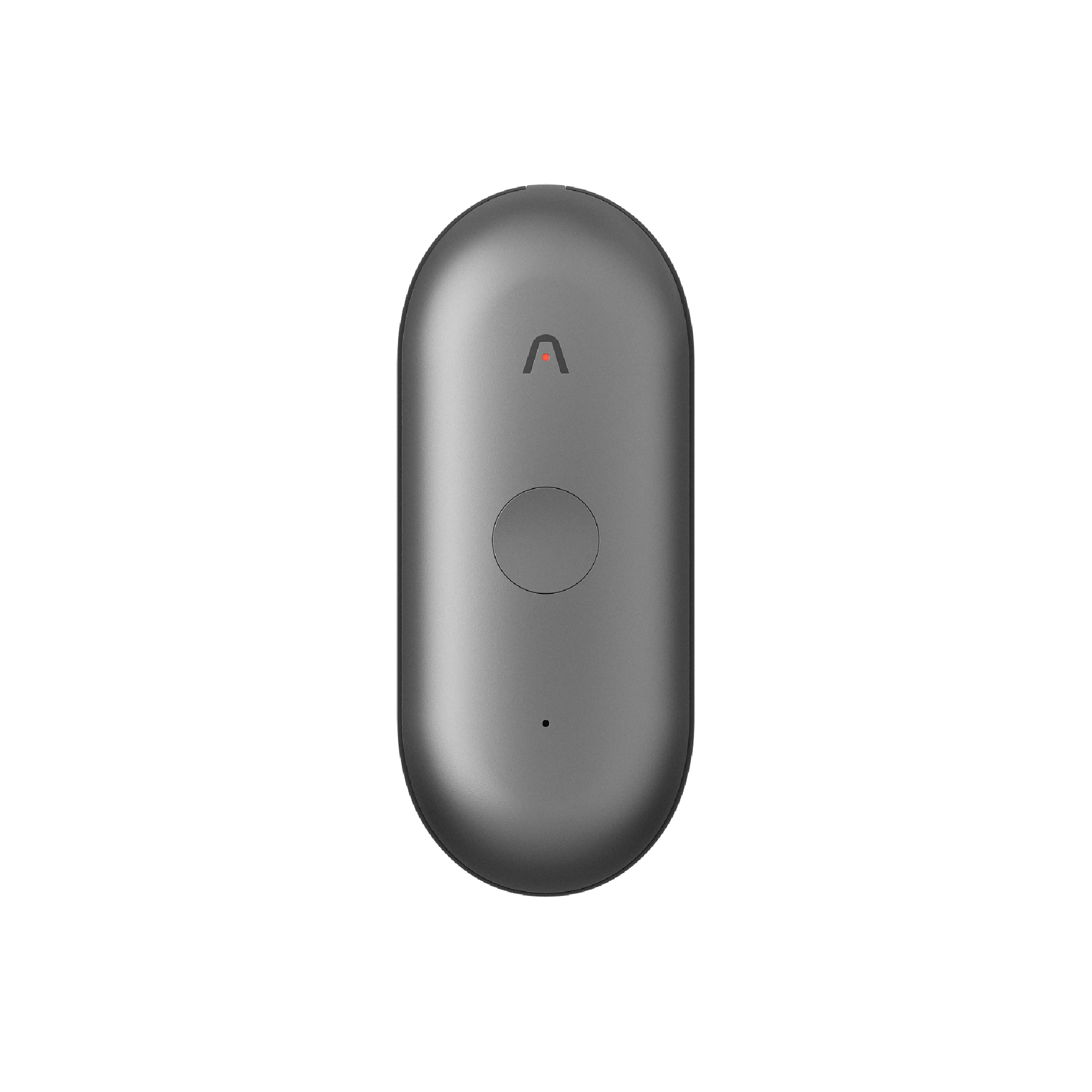
Wearable recorder worn close to lecturer (Plaud NotePin S)
Worn on a lanyard or clip, the mic stays close to the wearer who is already facing the lecturer. AI transcription in 112 languages after class.
Based on common recording scenarios and Plaud product data. Check your institution's recording policy before recording lectures.
Tips
What makes lecture recording good
Lecture recording quality comes down to four things: mic placement close to the sound source, transcription that keeps up with fast or technically dense speech, language coverage for international courses, and output structured enough to study from directly.