AI voice recorders · Lecture hall guide
How to Record Lectures in a Large Lecture Hall
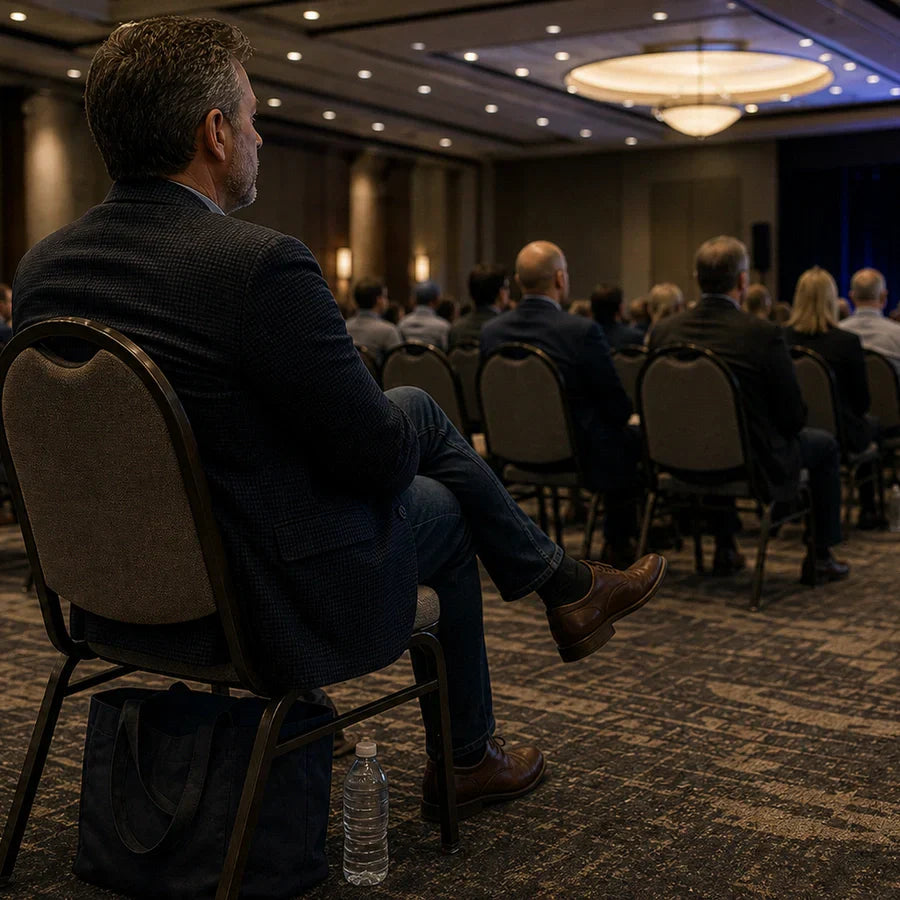
Phone microphones are built for arm's-length conversations. In a large lecture hall, your phone sits 10 to 20 meters from the lecturer and captures background noise as loudly as the voice you need. This guide shows four recording approaches, compares them on pickup distance and transcription output, and explains which setup works from any row.
 Best for large lecture halls
Quick answer
4 steps to record lectures in a large lecture hall
Seat position and recorder placement determine audio quality before the lecture starts. Transcription tool choice determines whether the recording becomes usable notes.
1. Check your institution's recording policy and get your instructor's consent
Many universities allow personal recordings for private study. Ask your instructor directly before the lecture begins. Never record without confirming consent from all parties. This step also applies to other students who may be captured in the audio.
2. Choose your seat and set up your recorder
Sit as close to the front as possible. Place your recorder on the desk, facing the front of the room. Every meter you move closer to the lecturer improves pickup clarity. A device with AI beamforming handles more distance than a phone mic at the same seat.
3. Start recording before the lecture begins and leave it running
Begin recording a minute before the session starts. Use a device with at least 20 hours of battery to cover back-to-back classes without a charging break. Do not stop and restart mid-lecture or you will split the session across multiple files.
4. Sync and review the transcript after class
Open your recorder app to sync the audio file. Use Plaud Intelligence to generate a full transcript and structured lecture notes. Review the notes the same day while the content is fresh.
Methods
Four ways to record lectures in a large lecture hall
Compared on pickup distance from the desk, background noise rejection in a live hall, whether a transcript is generated automatically, and whether the battery lasts a full academic day. Ratings use Low, Medium, and High.
Phone on the desk
A standard smartphone mic captures speech clearly within 1 to 2 meters. From row 8 onward in a typical hall, the lecturer's voice competes with HVAC noise and surrounding students.
iPhone Voice Memos or Android recording apps
Voice Memos and Android recorder apps improve usability through familiar interfaces. Pickup range stays at 2 to 3 meters in quiet rooms.
Laptop mic or external USB mic
A laptop mic on the desk has similar range limits to a phone mic. An external USB cardioid mic reduces side noise but must be placed within 2 to 3 meters.
AI recorder (Plaud Note Pro with Plaud Intelligence)
Plaud Note Pro uses four MEMS mics with AI beamforming to focus on the primary voice. The 5-meter pickup range covers the front third of most lecture halls.
Based on common lecture recording workflows and Plaud product data. Always follow your institution's recording policy and confirm consent with your instructor before recording any session.
Tips
Distance and noise together make most lecture recordings unusable for transcription
Four factors decide whether a lecture recording produces usable notes or just a backup audio file. Pickup distance comes first. Noise rejection, transcription output, and battery life each compound the problem if they are not solved at the device level.
The easier way
How Plaud Note Pro captures a large lecture from your desk
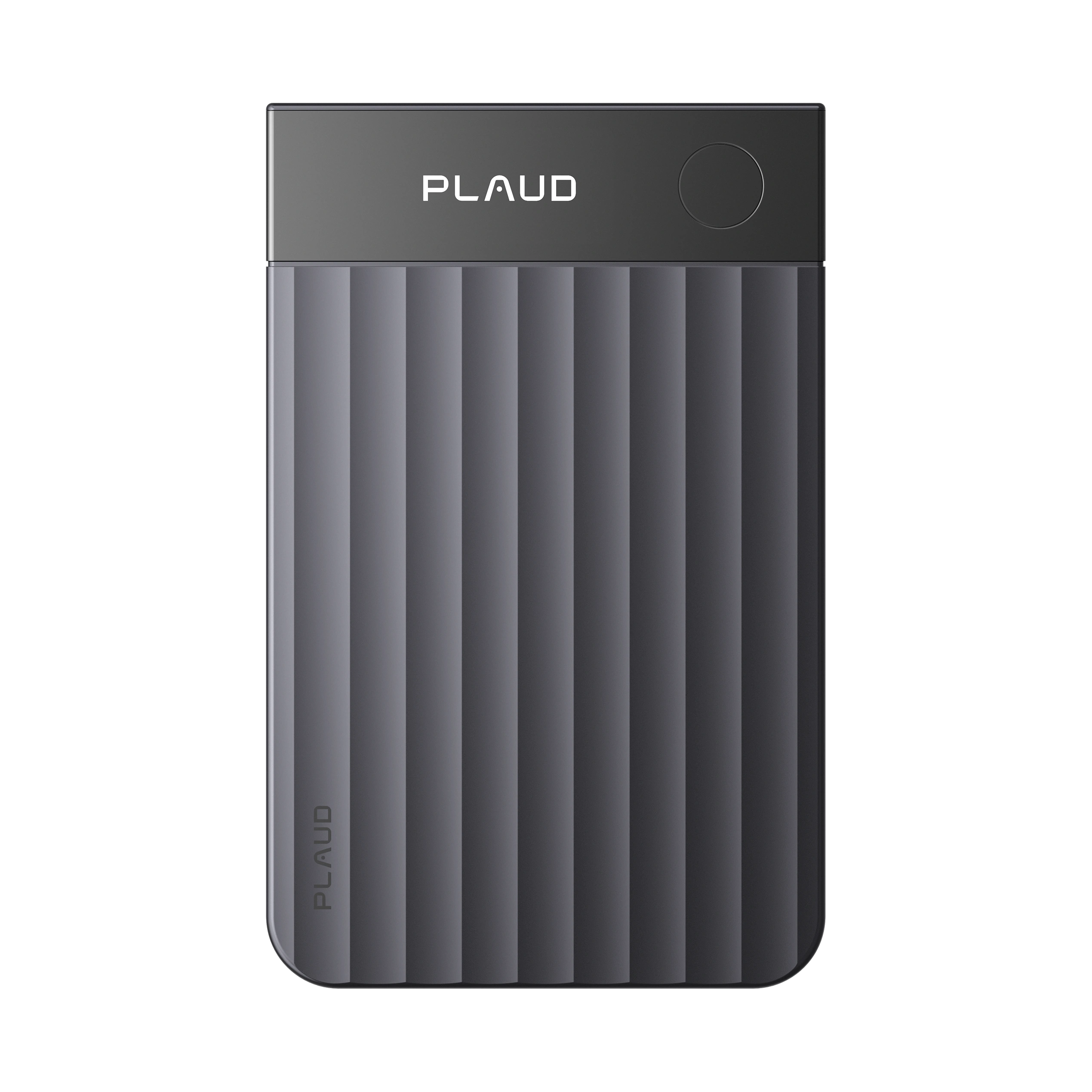
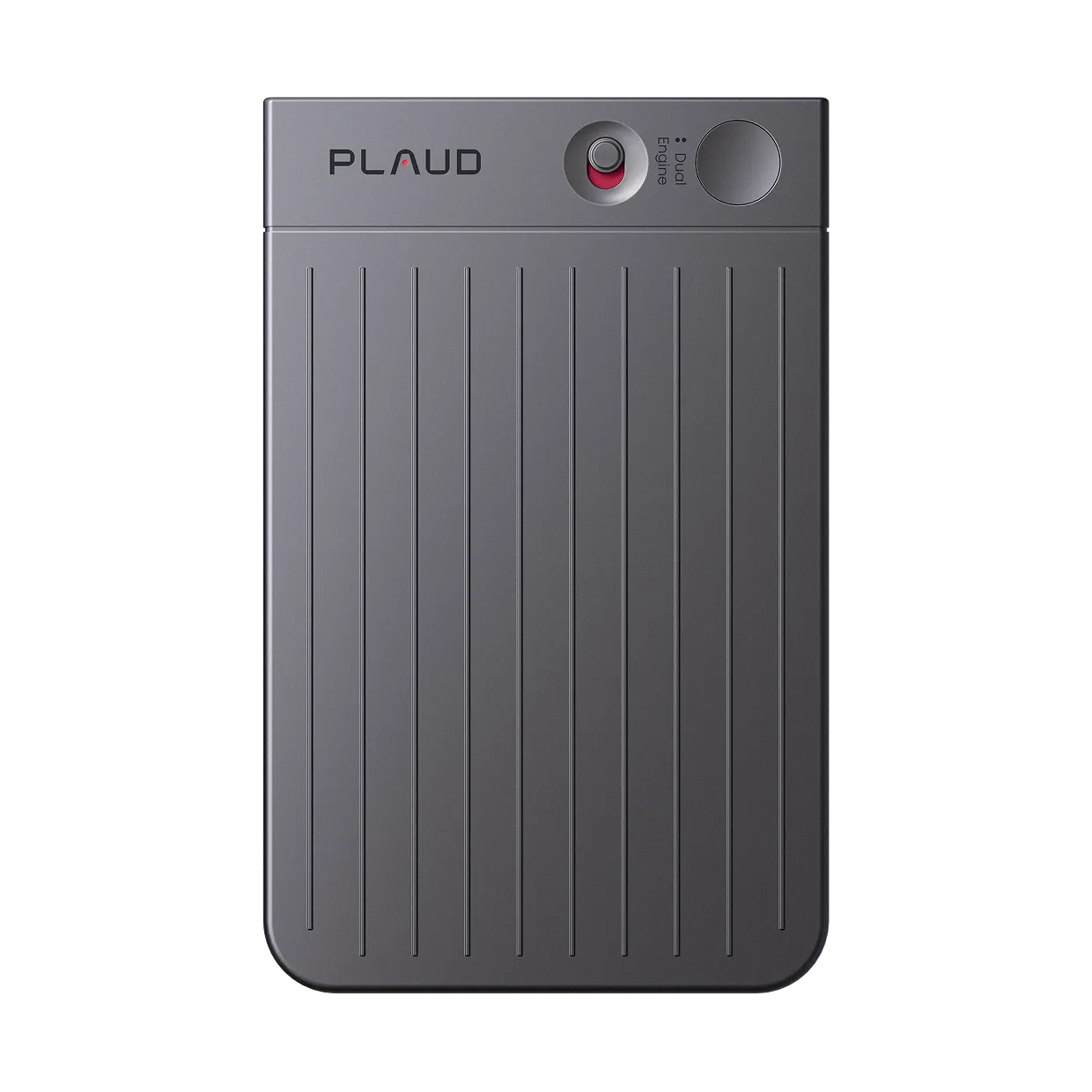
Plaud Note Pro uses four MEMS mics with AI beamforming to focus on the primary voice source within 5 meters of the device. Place it on your desk in the front section of the hall, start recording, and leave it running for the full session. After class, open the Plaud App to sync. Plaud Intelligence generates a full transcript and structured lecture notes automatically.
- Extended pickup with noise filteringPhone mics fail beyond 2 meters in noisy halls. Plaud Note Pro's AI beamforming extends useful pickup to 5 meters and filters ambient noise before the audio is saved.
- Automatic transcription and notesA standard recording gives you audio to replay, not notes to study. Plaud Intelligence generates a full transcript and structured notes after each session with no manual reformatting.
- Long battery for full academic daysA four-class day drains most phones before the final lecture. Plaud Note Pro runs up to 30 hours on one charge and covers a full academic day without a break.

Plaud Note Pro
A physical AI recorder designed for lecture capture and automatic transcription. Four MEMS mics with AI beamforming. Up to 5 m pickup range. Plaud Intelligence generates structured notes after every session.