Meeting notes · How-to guide
How to take notes during a meeting
Writing notes during a meeting and following the conversation draw on the same limited attention. Something gets missed. Recording the session and reviewing the AI-generated notes afterward changes what the process requires: you listen fully, then clean up structured output after.
 Best for complete meeting records
Quick answer
4 steps to complete meeting notes you can share
The same three-phase approach applies whether you write notes manually or use an AI tool: prepare before, capture during, and organize and share after.
1. Prepare a template before the meeting
Set up sections for the date, attendees, agenda items, decisions, and action items. Reading the agenda beforehand tells you which topics to focus on.
2. During the meeting: capture decisions and action items
Note who is doing what and by when. Record the reasoning behind decisions. Use AI tools like a physical recorder for automatic transcription.
3. Note important questions and flag anything unclear
Questions raised and their answers provide context. Mark unclear items with a question mark rather than paraphrasing from memory.
4. Organize and send notes within 5–10 minutes
Convert rough notes into a readable record while context is fresh. Send to all participants promptly.
Methods
Which method keeps note quality and meeting participation intact
Compared on how much active attention the method requires during the meeting, how complete the record is, whether output is structured on arrival, and how long before notes are ready to share.
Manual note-taking by hand
Write notes while listening. Writing speed and listening compete. The faster the discussion, the more falls through.
Laptop or tablet notes in Notion
Digital notes are faster but typing during the meeting still divides focus. Verbal nuances not captured in writing are lost.
Zoom AI companion or meeting bot
Joins the call and auto-transcribes. Does not capture in-person sessions or phone calls.
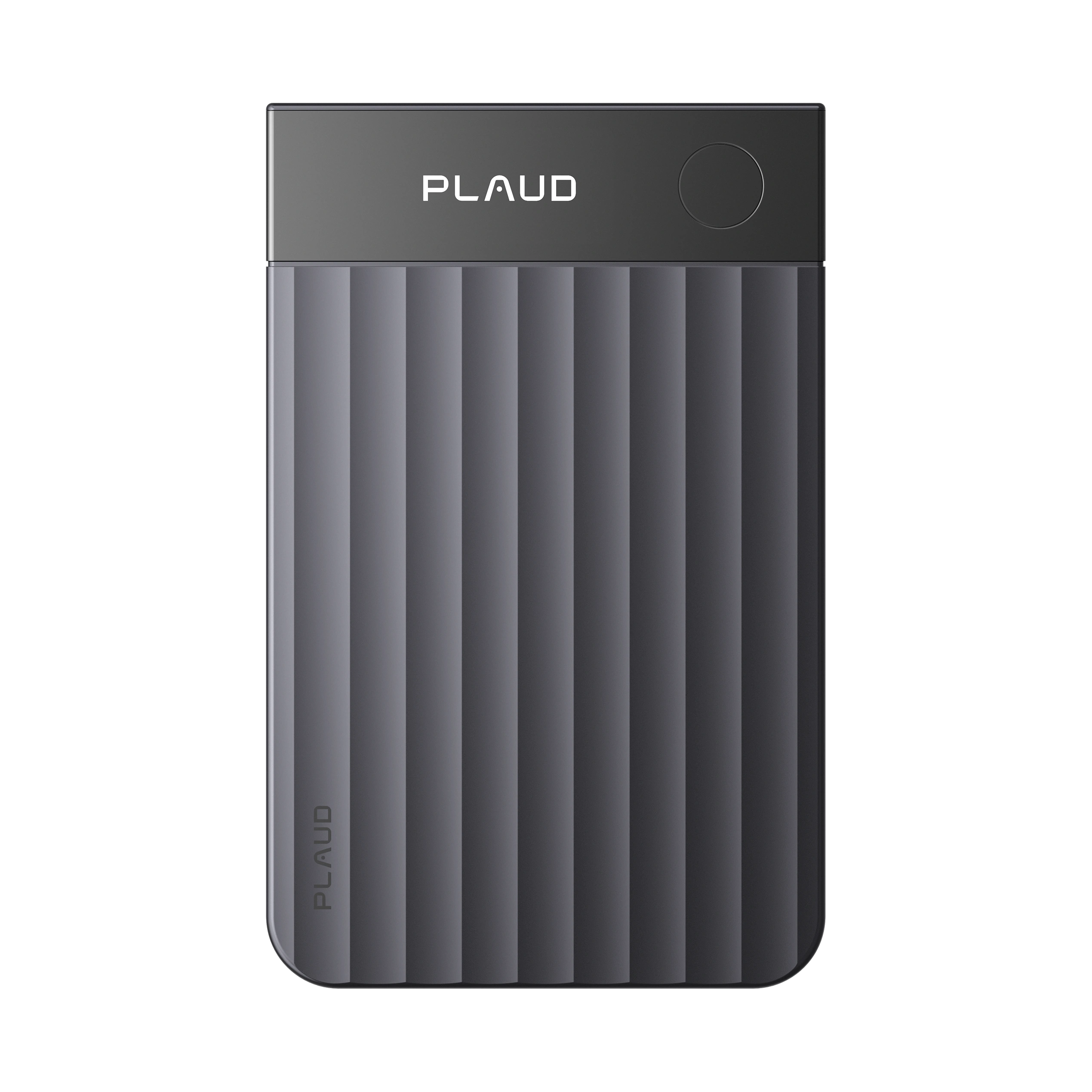
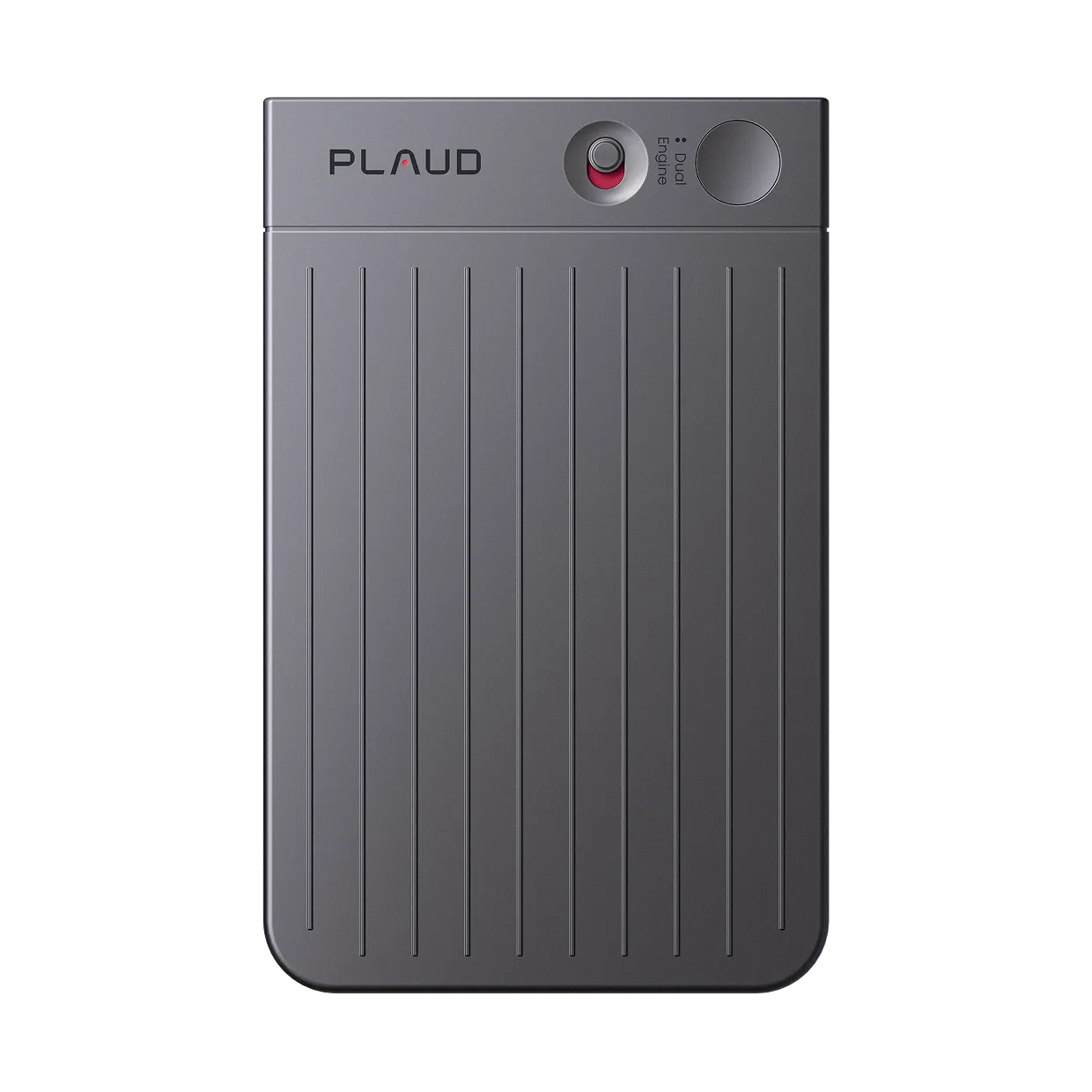
AI recorder (Plaud Note Pro)
Records the full session. Plaud Intelligence generates structured notes with speaker attribution after the meeting. Always record with participant consent.
Based on common meeting workflows and Plaud product data. Always follow your organization's recording policy and local consent rules before recording any session.
Tips
The notes people act on weren't written during the meeting
Writing notes and listening to a conversation at the same time draws on the same limited attention. The faster the discussion moves, the more detail gets missed. That missed detail is often what determines follow-up: the precise words in a commitment, the name behind an action item, the reasoning for a decision made quickly. A transcript captures what was said rather than what a distracted writer managed to record. Structured output separates the content so the first person who reads the notes can act without sorting them first.