Voice recording to notes · How-to guide
How to Turn a Voice Recording into Notes
You recorded the meeting, lecture, or call. Now you need actual notes from it. The gap between a raw audio file and a structured, usable document is where most workflows break down. This guide covers every method, from free phone tools to automatic AI note generation, so you can choose what fits your recording.
 Best for automatic note generation from recordings
Quick answer
4 steps to turn a voice recording into notes
The process has two distinct stages. Transcription converts audio to text. Note structuring organizes that text into headings, decisions, and action items. Most tools only handle one stage.
1. Confirm consent and open your recording in a transcription tool
Always confirm all speakers have given consent before transcribing any recording. Once confirmed, open the audio file in your chosen transcription tool and run it to produce raw text from the audio.
2. Read through the transcript and identify key points, decisions, and open questions
A raw transcript includes filler words, repeated ideas, and tangents. Scan the full text and mark the points that matter: decisions made, topics covered, and questions that still need answers.
3. Group the output by category: topics, decisions, action items, and follow-up questions
Structure is what separates notes from a transcript. Group the marked content into clear categories. Action items belong together. Decisions belong together. This step is where the transcript becomes a usable document.
4. Review the structured notes, edit for clarity, and export to your preferred tool
Read through the structured output and cut anything redundant. Then export to Notion, email, or whatever app you actually use for notes and reference.
Methods
Four ways to turn a voice recording into notes
Compared on whether they accept existing audio files, whether they produce structured notes or raw text, whether templates are available, and whether both transcription and note generation are handled automatically.
Phone Voice Memos or dictation app
Phone dictation tools transcribe in real time while you speak. They do not accept existing audio files for processing.
Free AI upload tool (Otter.ai, Notta)
Upload an existing audio file and receive a transcript or summary. Free tiers cap sessions at a few minutes.
Manual review and note-taking
Listen back to the recording and write notes by hand. Most accurate for short files.
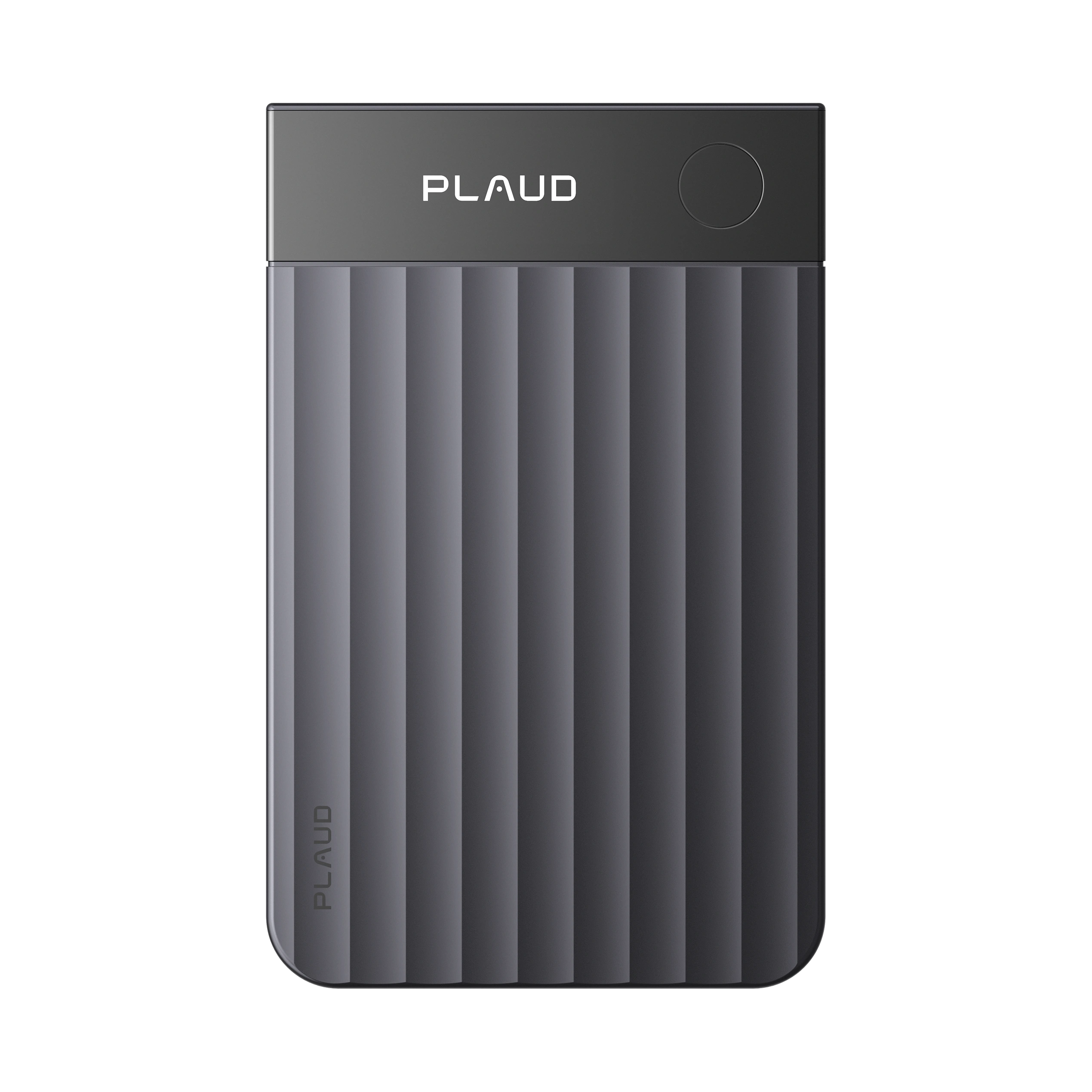
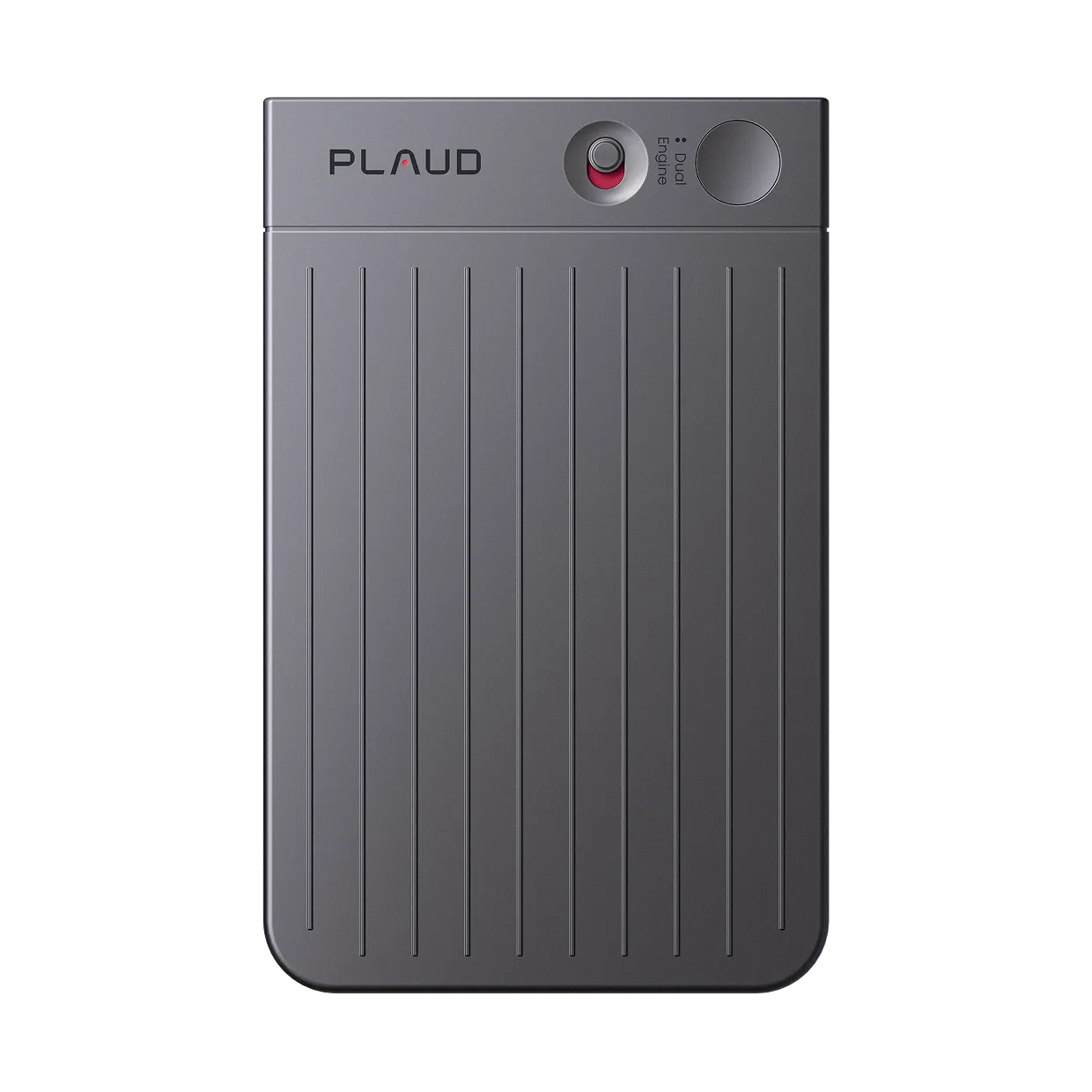
AI recorder (Plaud Note Pro with Plaud Intelligence)
Record or import audio, select a note template, and Plaud Intelligence generates structured notes automatically.
Based on common voice recording workflows and Plaud product data. Always confirm consent from all speakers and follow applicable recording laws before transcribing or sharing any recording.
Tips
Most voice recordings produce a transcript, not notes
Accuracy, structure, speed, and export path are the four things note output must deliver to be useful.