Study systems · How-to guide
How to build a study system from lecture recordings
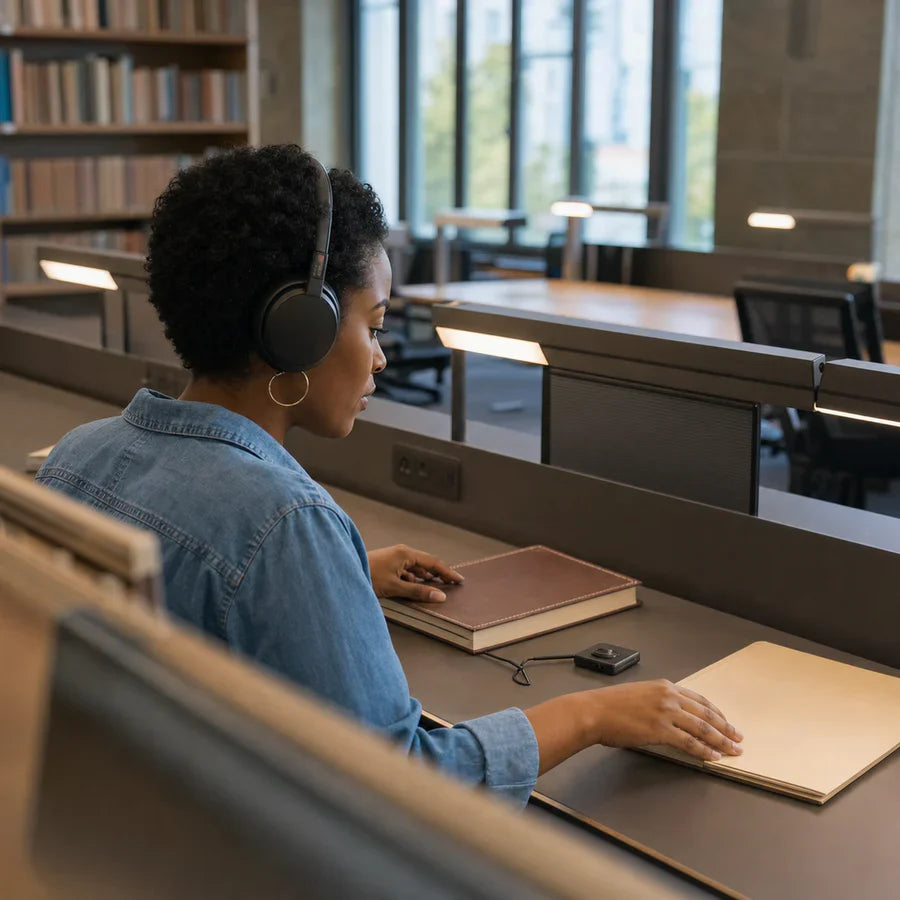
Recording a lecture is the easy part. The recording only becomes useful when there is a system for turning it into material you can practice with — a transcript you can search, summaries organized by topic, and review questions you can test yourself on. Most students record and never revisit. A system that runs automatically after the lecture changes that.
 Best for study systems
Quick answer
4 steps from lecture audio to a working study system
The system is only as good as the step between transcript and active recall material. Every step before that is setup.
1. Record the lecture with a device positioned close enough for clean audio
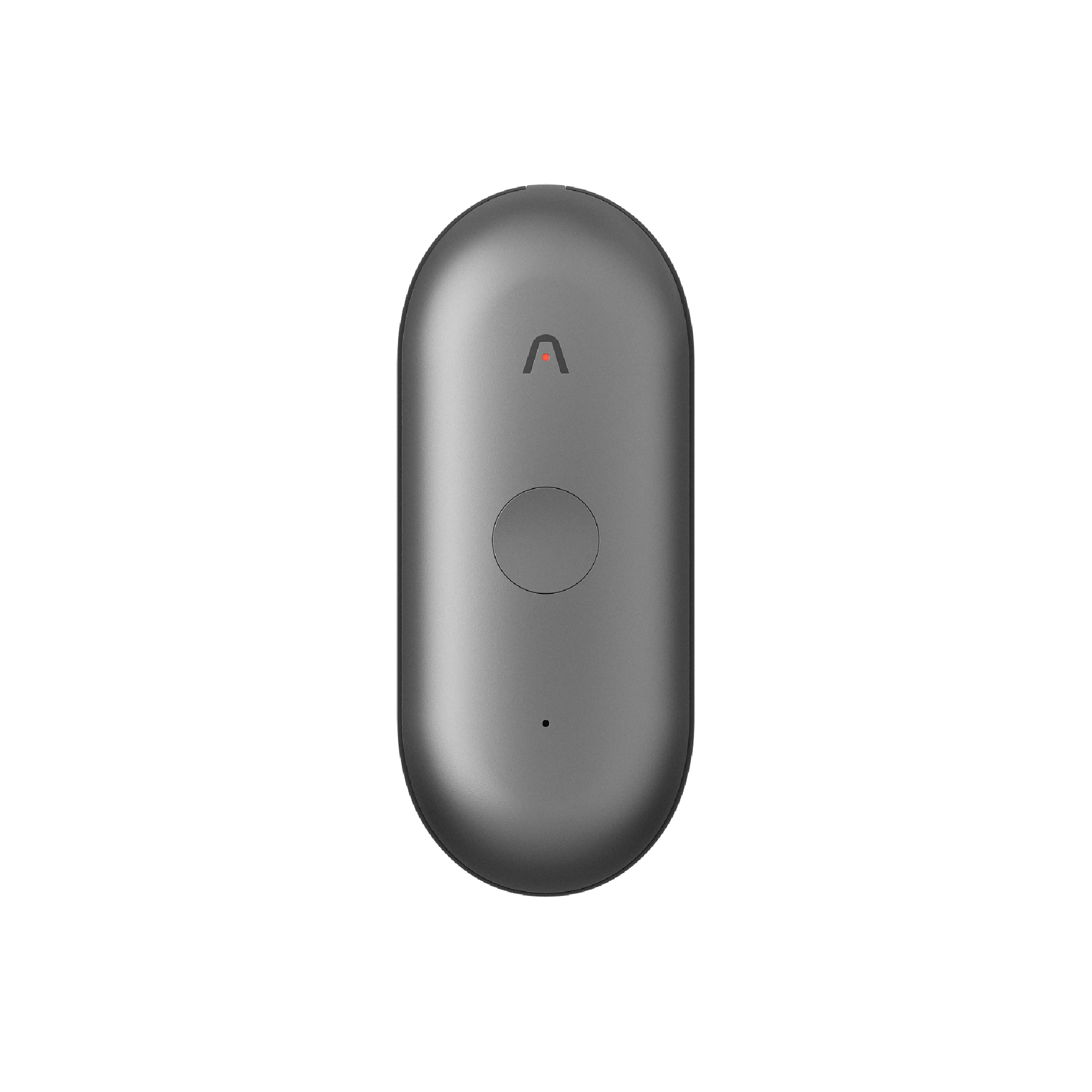
Audio captured at distance produces transcription errors that compound through every downstream step. A wearable device worn at collar height stays within close range of the audio source across any seating position.
2. Run a transcription pass immediately after the lecture
Upload the audio file or sync the recording to get a full text transcript. This is the complete source material for everything that follows. Do this the same day while the context is still fresh.
3. Use an AI pass to break the transcript into topic sections and key definitions
A flat transcript is not study material. An AI pass organizes the content into named topic sections, separates key definitions, and identifies the main concepts of the session.
4. Build active recall practice from the structured output
Use the organized sections to create review questions or flashcards. Active recall — testing yourself rather than re-reading — is the mechanism that moves material into long-term memory.
Methods
Which setup actually produces study material after a lecture
Compared on recording quality for transcription, whether the output is already structured for studying, effort required after each lecture, and whether the system repeats automatically.
Phone Voice Memos only
Records audio to a file with no downstream processing. The student must upload, transcribe, and organize everything manually after every lecture.
Transcription app (Otter.ai)
Produces a full transcript automatically for Zoom or Teams sessions. For in-person lectures, upload is required. Output is a flat transcript.
Dedicated recorder + manual ChatGPT
Higher audio quality than a phone for in-person recording. Getting from transcript to organized study material still requires manual steps.
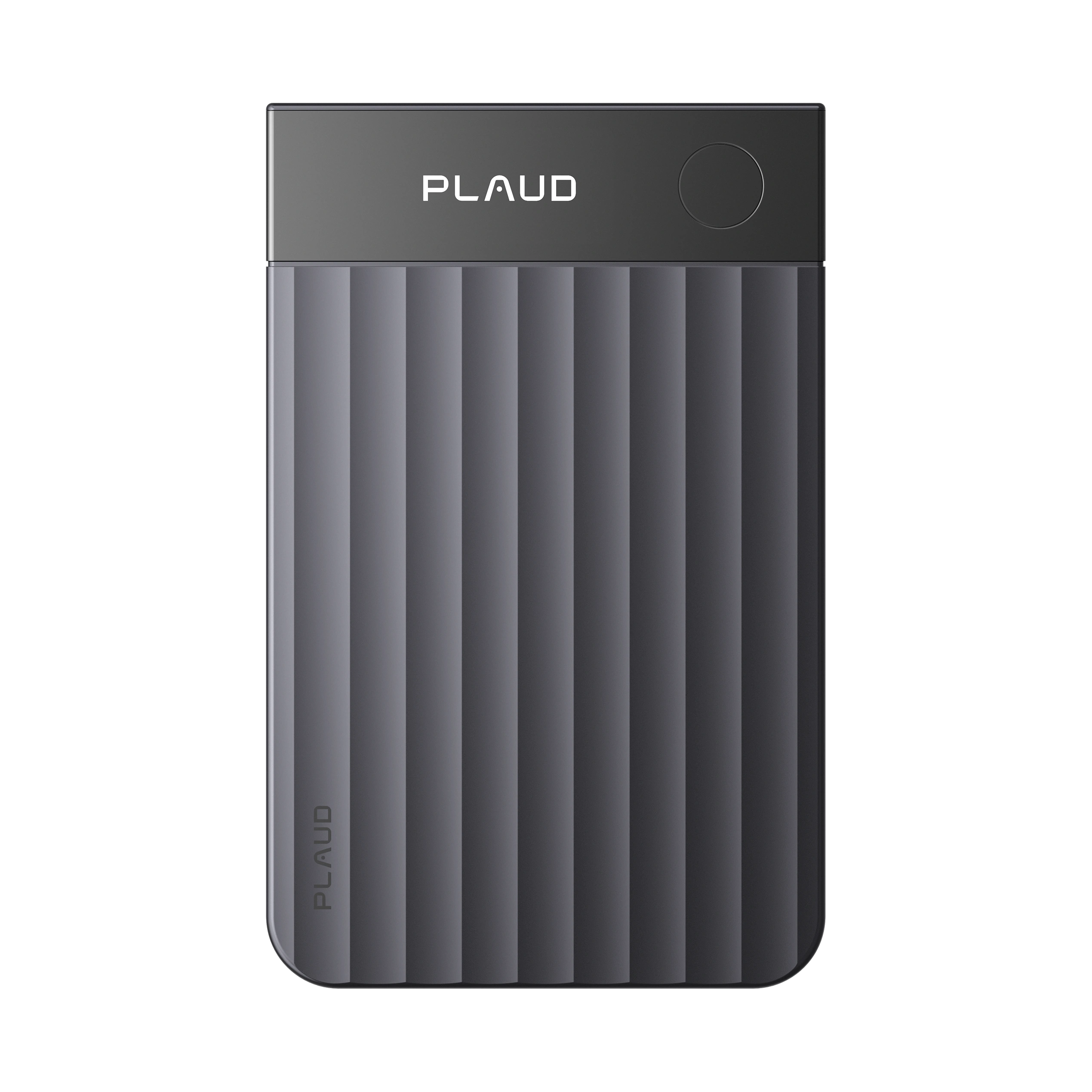
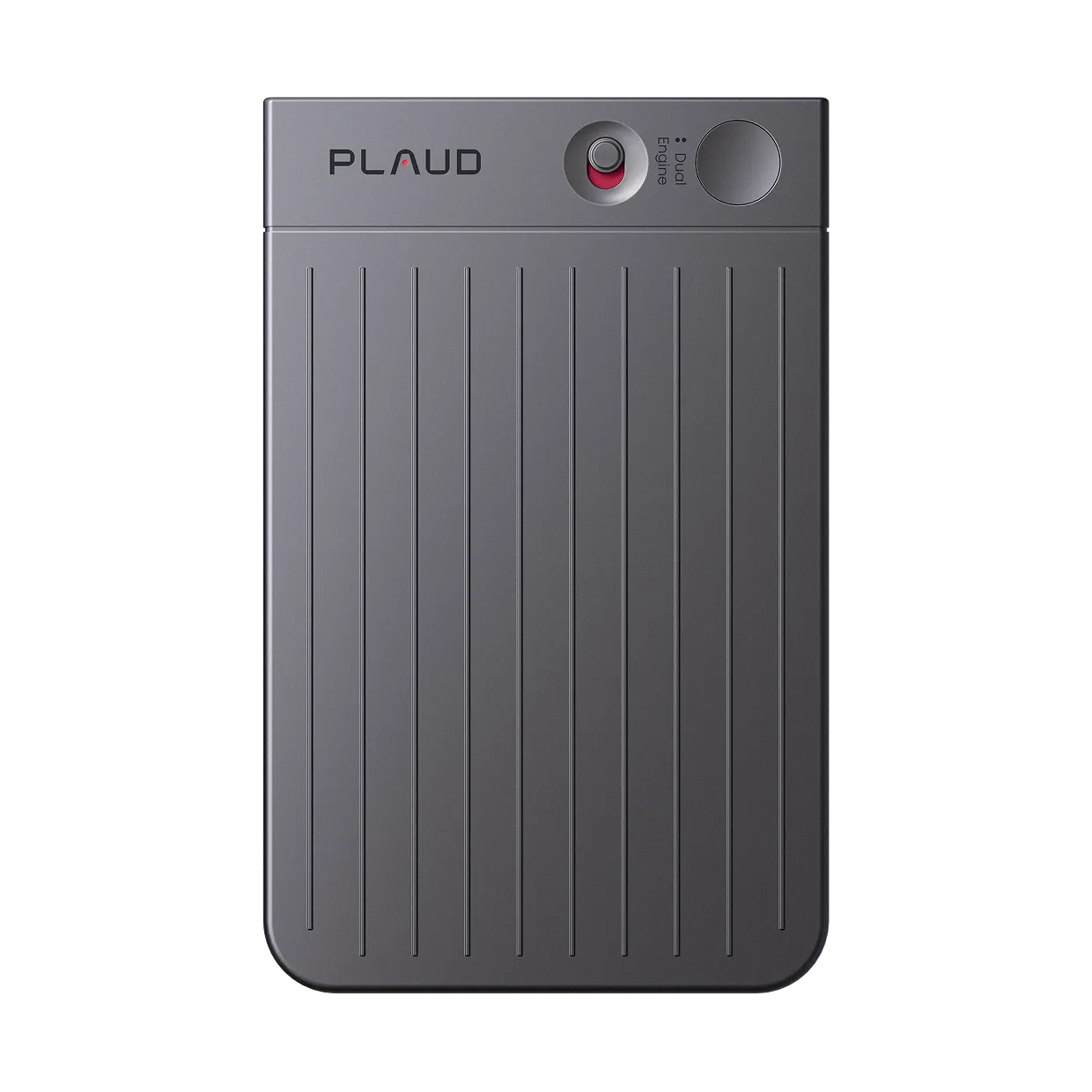
Wearable AI note taking device (Plaud NotePin S)
Worn at collar height. Records up to 20 hours continuously. After the lecture, Plaud Intelligence produces structured study output automatically.
Based on common student recording workflows and Plaud product data. Always check your institution's recording policy.
Tips
What makes a lecture recording useful for building a study system
A recording is a source, not a system. It requires three things: a transcript accurate enough to parse, output structured by topic, and a format that supports active recall practice.