AI voice recorder · Executive meetings guide
How to Record Executive Team Meetings
Executive meetings carry decisions that matter. A phone placed on the table misses speakers at the far end, and a bot joining the call adds a visible third party most executives do not want in the room. This guide covers four methods, explains where each one falls short, and shows how to get a complete, secure record with automatic minutes.
 Best for full-table boardroom coverage
Quick answer
4 steps to record an executive team meeting
Consent comes first. Coverage and security come next. Structured minutes follow from the recording.
1. Confirm consent from every person in the room
Recording an executive meeting requires the agreement of all attendees in most jurisdictions. Inform everyone before the meeting starts. Get explicit agreement when confidentiality agreements or legal privilege may apply. This step is not optional.
2. Choose a recording method that covers the full table
Phone mics fail beyond 2 to 3 meters. A dedicated device with a long-range pickup captures all speakers without repositioning. For hybrid meetings with virtual attendees, choose a device that handles both in-person and phone audio in a single recording.
3. Place the device and start recording
Set the recorder at the center of the table for maximum coverage. For a hybrid meeting, connect the phone or laptop audio channel as well. Check the recording level before the meeting begins.
4. Open the app after the meeting to get structured minutes
Sync the recording to your AI notes app. Apply a meeting minutes template to generate a structured record with decisions, action items, and speaker attribution. Export to your team's document tool.
Methods
Four ways to record executive team meetings
Compared on whether a bot appears in the meeting, how much of the boardroom table is covered, what security certifications the data storage carries, and whether structured minutes are generated automatically. Low / Medium / High ratings apply to each dimension.
Meeting room bot (Otter, Fireflies, Fathom)
Bot-based tools join as a visible participant in video calls. For in-person meetings they require a phone or laptop to host the bot, which appears as an extra attendee in the room.
Built-in video call recording (Zoom, Teams, Google Meet)
Platform recording captures audio from all connected virtual participants. It does not work for in-person conversations and requires the host to enable the feature before the meeting starts.
Phone voice memo or recorder app
A phone placed on the table captures nearby audio. Pickup drops sharply beyond 2 to 3 meters. Remote participants on call are rarely captured at full clarity.
Physical AI recorder (Plaud Note Pro)
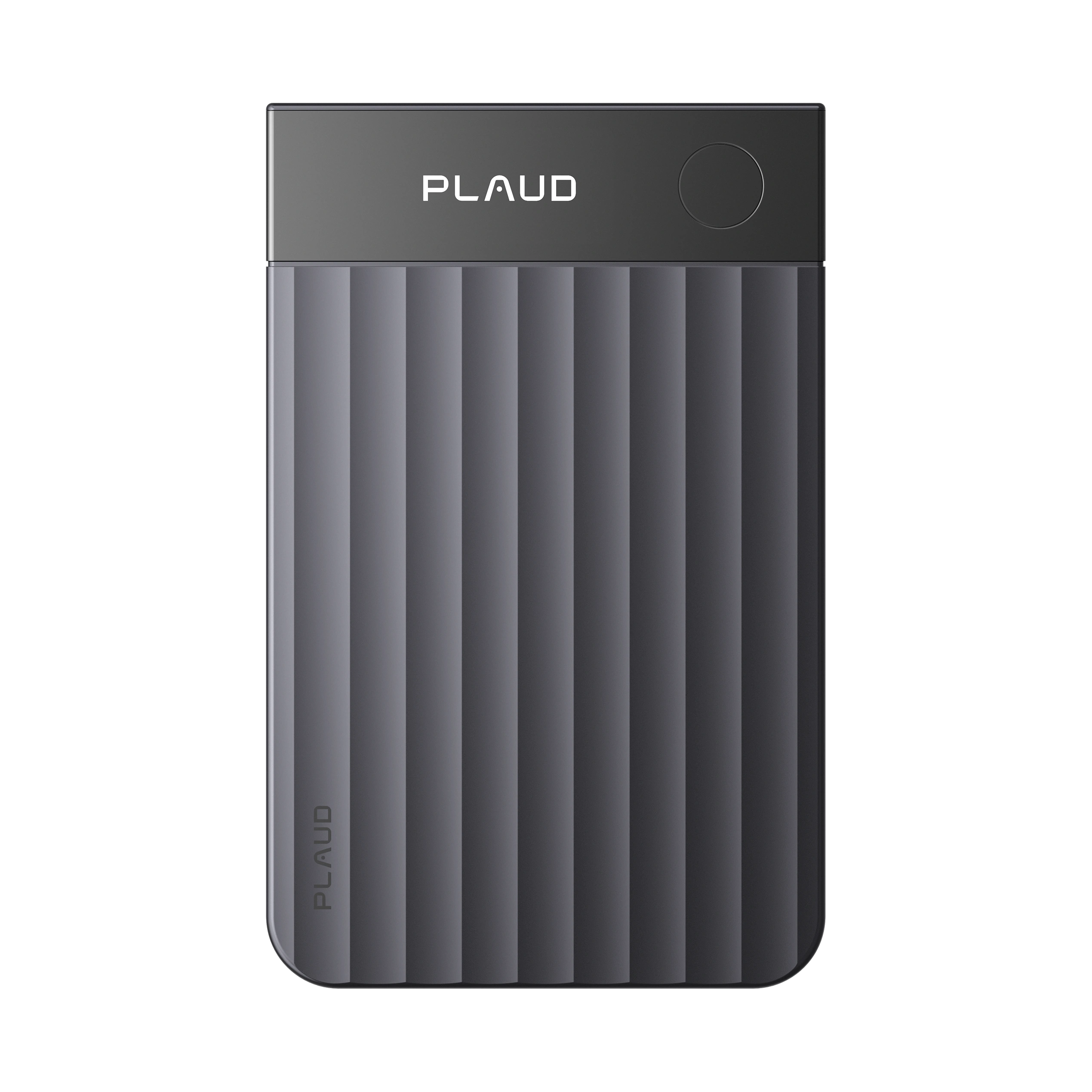
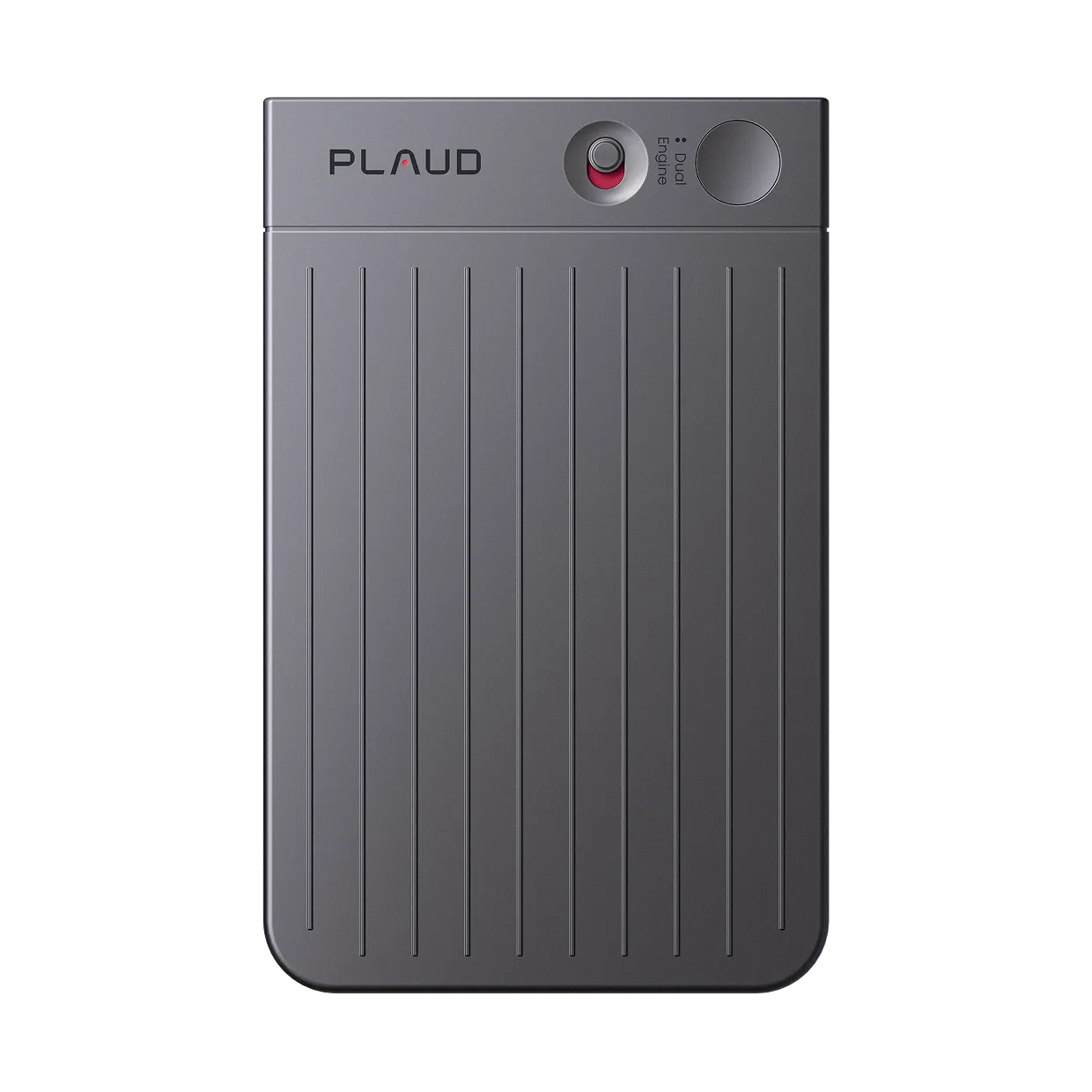
A dedicated device placed at the table center uses four MEMS mics with AI beamforming and a 5-meter pickup range. No bot joins the call. Plaud Intelligence generates structured minutes automatically from the recording. Always get participant agreement before recording.
Based on common meeting recording workflows and Plaud product data. Always confirm consent from all participants and follow local recording laws before recording any executive meeting.
Tips
Most boardroom recordings miss speakers, skip consent, or fail compliance
Four requirements separate a usable executive meeting record from one that creates risk. Consent is first. Coverage, discretion, and data security each determine whether the record can actually be used or shared after the meeting ends.
The easier way
How Plaud Note Pro records the full boardroom without a bot
Plaud Note Pro sits at the center of the table and uses four MEMS mics with AI beamforming to capture every speaker within a 5-meter range. No bot joins the meeting. After the meeting, opening the Plaud App syncs the recording automatically. Plaud Intelligence then applies a meeting minutes template to generate a structured record with decisions, action items, and speaker attribution. Data is protected under ISO 27001, SOC 2 Type 2, GDPR, and HIPAA certifications. Always confirm consent from all participants before recording any executive meeting.
- Full table coveragePhone mics drop out at 2 to 3 meters. Plaud Note Pro covers up to 5 meters from a single center position using AI beamforming, so every speaker at the table is captured at