Interview and fieldwork recording · How-to guide
How to record professional interviews and fieldwork
The moment an interviewer checks their phone screen, adjusts a recorder, or watches a level meter, the participant notices. That interruption costs rapport, and rapport is what produces honest, detailed responses. A recorder that clips on and disappears lets the interviewer be present for the entire conversation.
 Best for fieldwork
Quick answer
4 steps to fieldwork recordings that hold up in analysis
Minimize equipment management so the interviewer can stay fully present with the participant.
1. Select a quiet location and get consent before starting
Choose a room with soft surfaces and minimal background noise. Tell the participant you are recording for accuracy before you press record. A simple verbal confirmation is sufficient in most contexts.
2. Position the mic 15–20 cm from the speaker
Placement determines audio quality more than which device you use. Close-range audio from a consistent position gives any transcription tool enough signal to work with.
3. Do a test recording with headphones before the real interview begins
Play back 10–15 seconds with headphones on and check that both voices are audible and levels are not clipping. Fix placement issues now, not after an hour of recording.
4. Run a backup recording and back up files immediately after each session
Battery failure and storage issues lose more fieldwork recordings than bad audio. Copy files to a second drive or cloud backup before the next interview, and rename each file with date, participant, and location while the context is still fresh.
Methods
Which setup holds up across a full fieldwork day
Compared on audio quality at typical fieldwork distances, how much equipment management is required during the interview itself, battery coverage across a full day of sessions, and whether transcription is built in.
Phone + Voice Memos
Default for most fieldworkers. Requires holding or placing the phone. Managing notifications and battery mid-session interrupts the conversation.
Dedicated recorder
Strong audio when well-positioned, but size, cables, and level-monitoring mean constant awareness of the device throughout the interview.
Phone + lavalier mic
Lav mic improves audio significantly, but cable and phone still require positioning and management. Battery risk on a full fieldwork day.
Wearable AI note taker
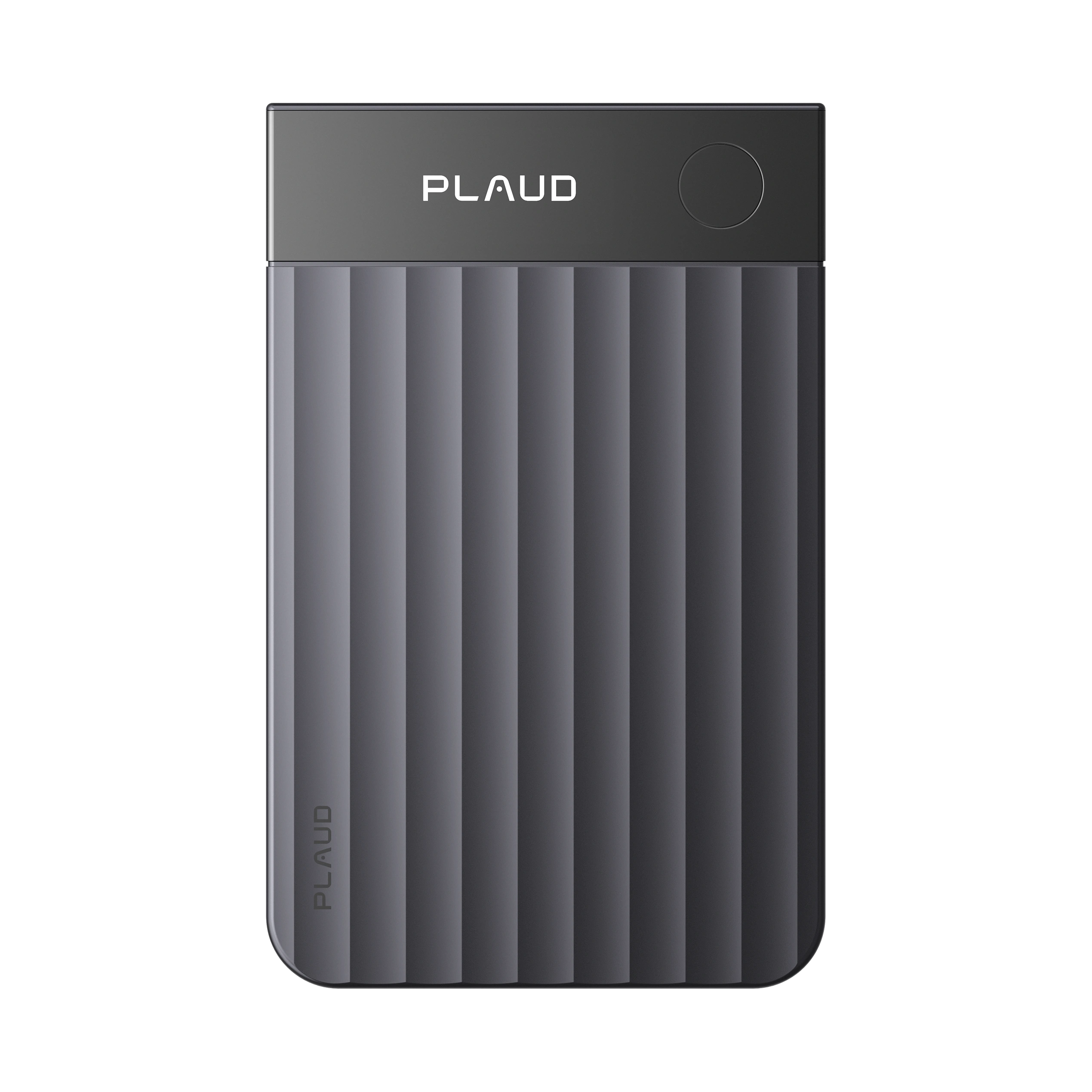
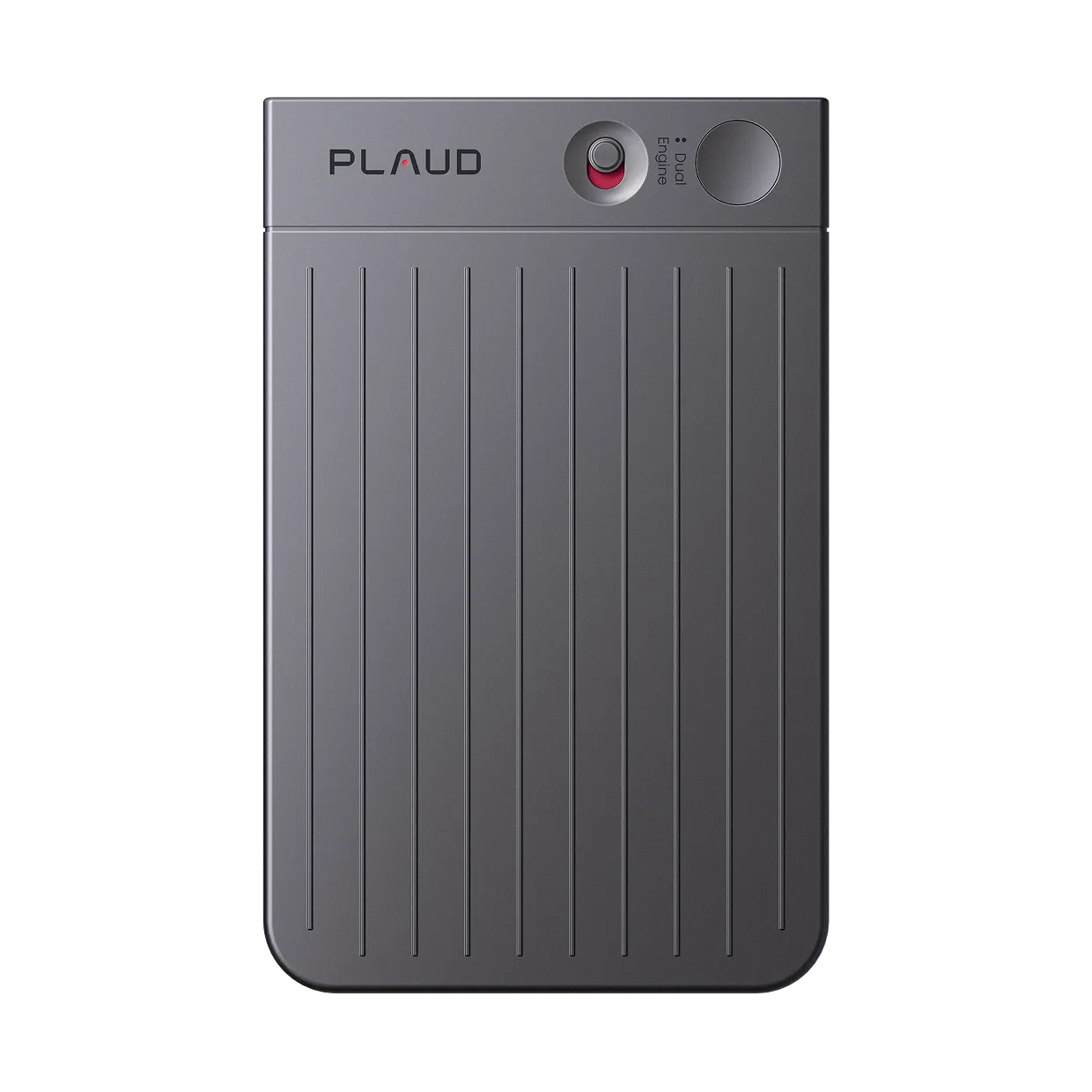
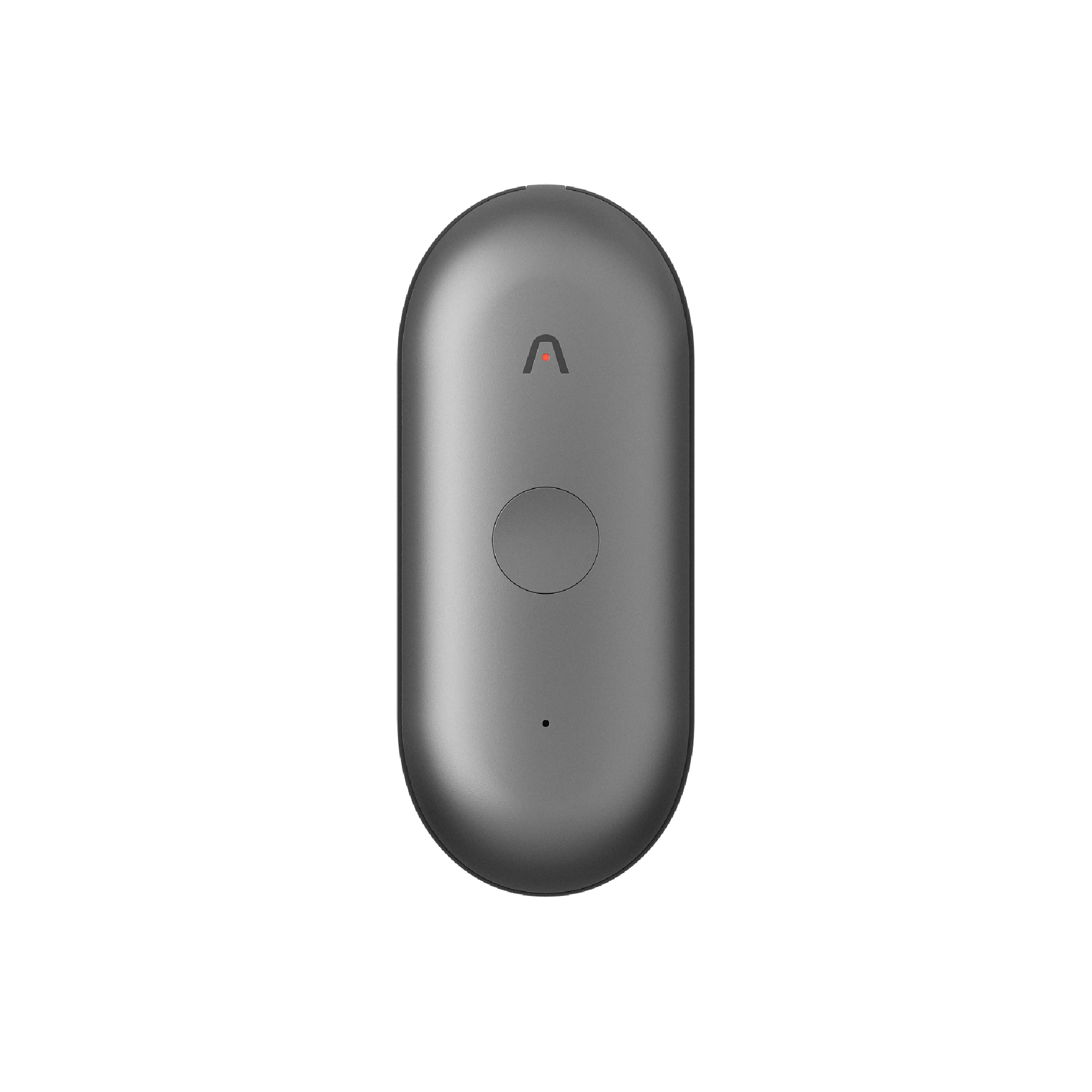
Worn on the body, mic stays close to the speaker regardless of movement. Twenty-hour battery outlasts any fieldwork day. AI transcription with speaker labels after the session.
Based on common fieldwork scenarios and Plaud product data. Always obtain informed consent as required by your institution's ethics guidelines and applicable law before recording participants.
Tips
What makes a fieldwork recording usable for research
A fieldwork recording setup needs to do four things well: stay out of the interviewer's way, outlast a full day of sessions, produce a transcript accurate enough for thematic analysis, and keep files organized across multiple interviews.