Meeting notes · How-to guide
How to take meeting notes efficiently
Most people leave meetings with fragments. They were writing when the key decision landed, or listening when the action item was assigned. The problem is not effort or skill. Writing and listening compete for the same attention. The fix is removing that tradeoff entirely.
 Best for complete, structured notes with zero attention split
Quick answer
4 steps to take meeting notes efficiently
Consent and preparation happen before the meeting starts. Capturing and processing happen after. Listening is your only job during the meeting itself.
1. Before the meeting: set up a template and confirm recording consent
Create a three-section note with Decisions, Action items, and Open questions. Copy the agenda into the top so you have context without switching windows. Confirm that all participants know the meeting will be recorded. Recording laws vary by jurisdiction. Many regions require the consent of everyone present before a recording begins. Do not skip this step.
2. During the meeting: focus on listening, not writing
Your only job is to understand the conversation. Write down a decision or action item only when it is clearly confirmed. Do not write when something might be a decision. Wait for the explicit confirmation. If you miss something, the recording will have it.
3. Record the full session as a backup
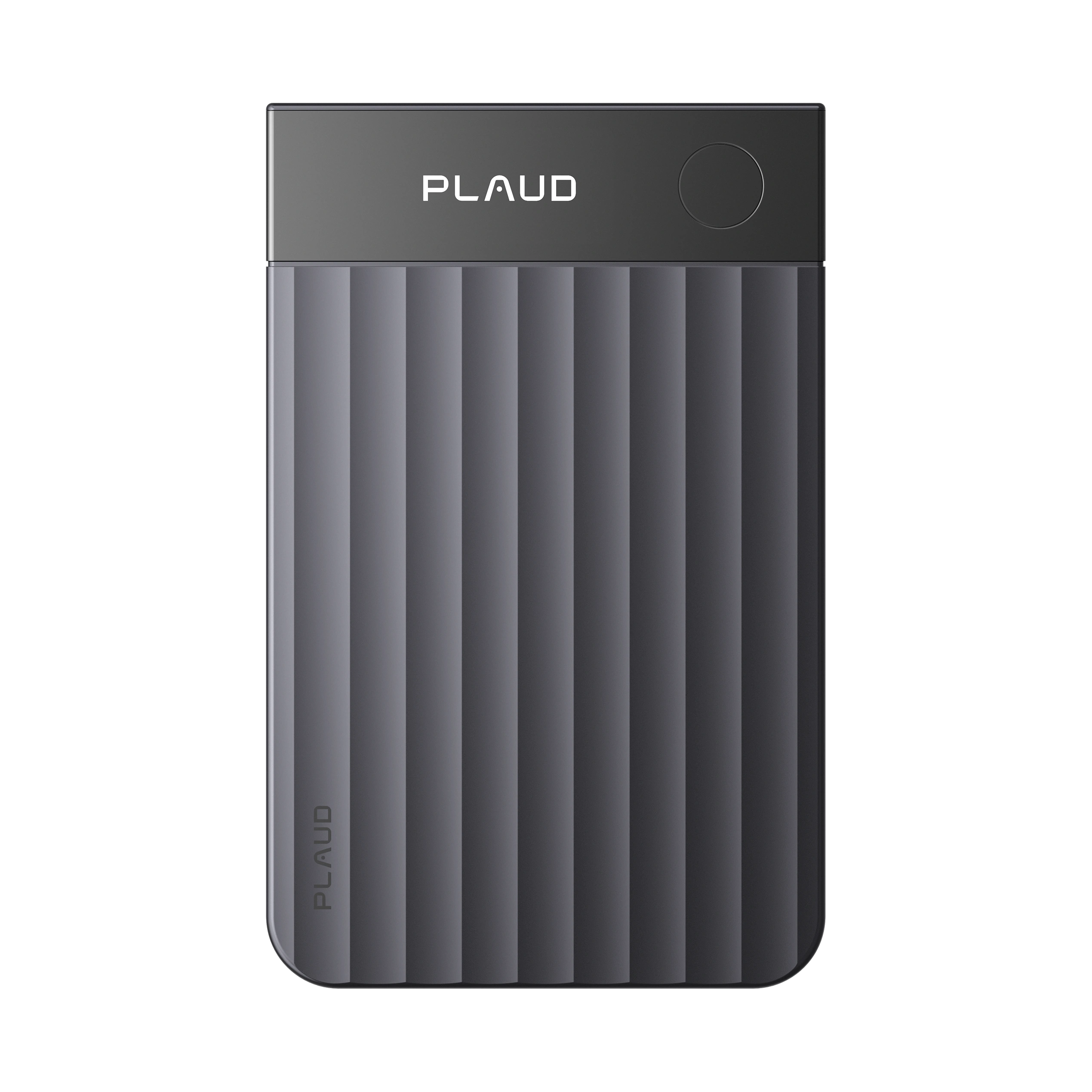
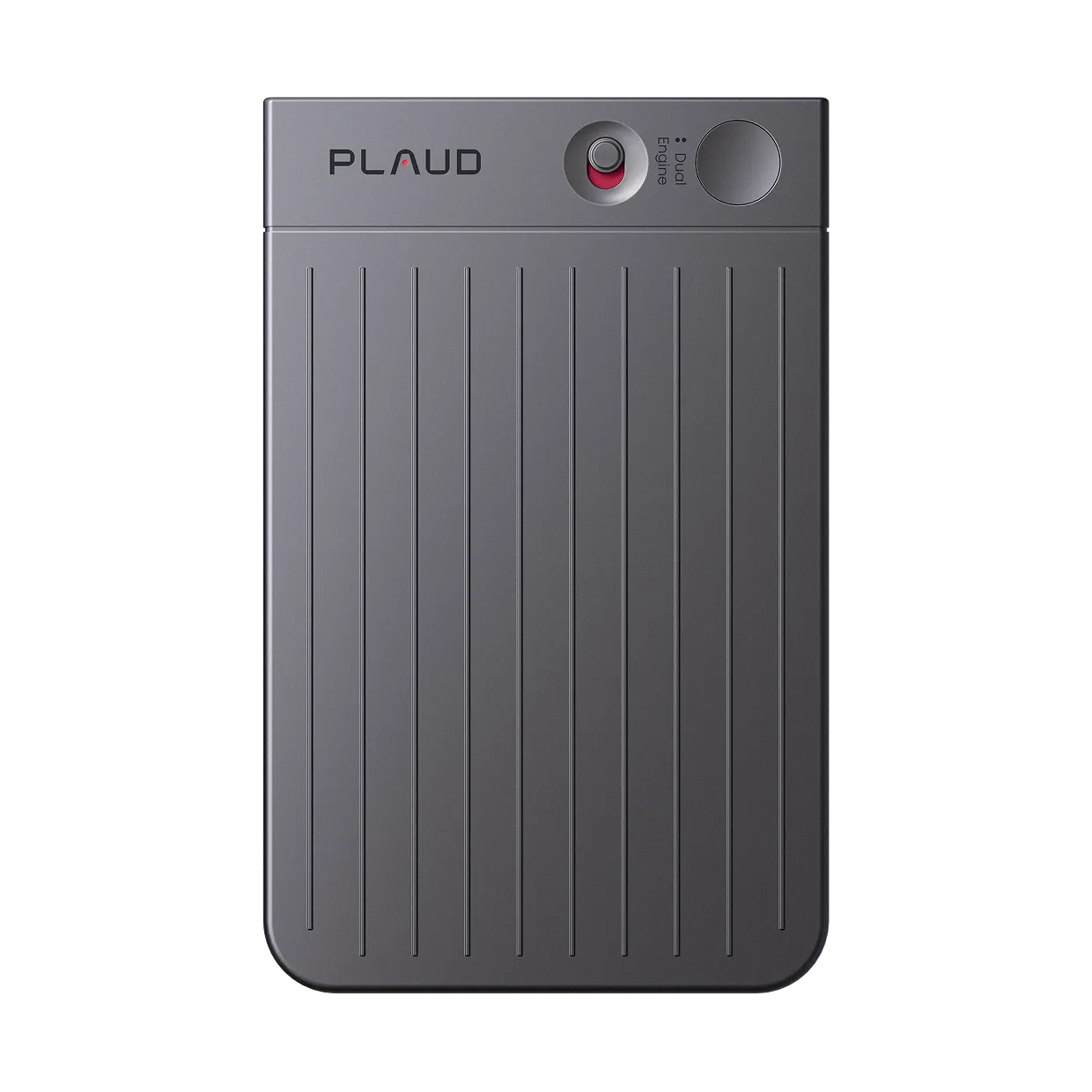
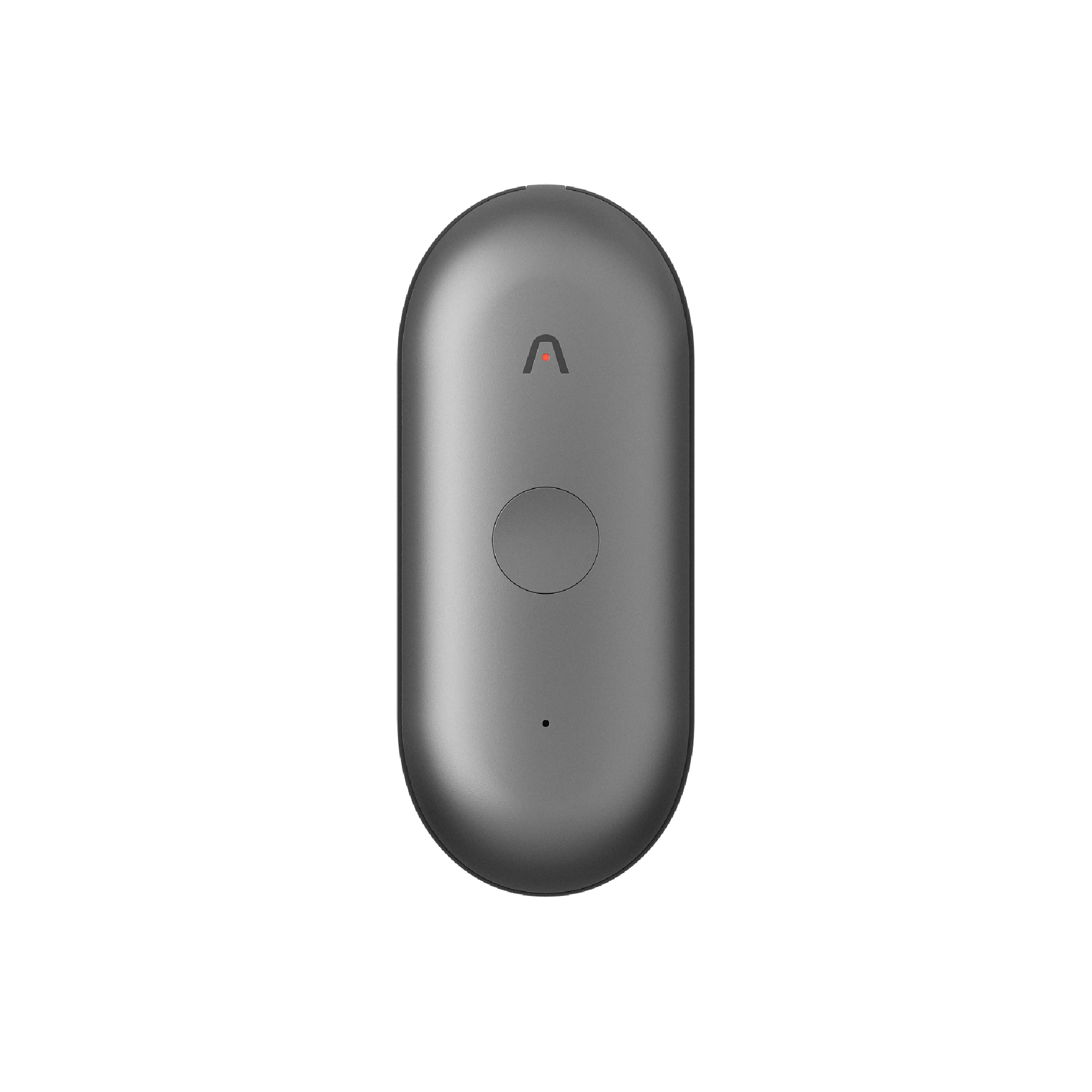
Start a recording at the beginning of the meeting. The recording is your safety net for anything you miss while staying present in the conversation. For video calls, connect Plaud Note Pro via Bluetooth to your phone or computer. For in-person meetings, place it on the table or clip Plaud NotePin S to your clothing.
4. After the meeting: process and send within 30 minutes
Open the recording or transcript. Plaud Intelligence processes the audio into structured notes using over 10,000 templates matched to the meeting type. Fill any gaps in your template and send the notes within 30 minutes. Notes sent the same day get read. Notes sent the next day often do not.
Methods
Which approach gives you complete notes without the attention split
Compared on attention cost during the meeting, completeness of the record, whether structured output is generated, and time to a shareable set of notes.
Manual notes while listening
Always available, no setup needed. Writing and listening compete for the same attention, so notes have gaps wherever you were writing instead of hearing.
Note-taking app typed in real time
Faster typing does not fix the attention split. The user still misses content while composing sentences. Editing is still required before the notes are shareable.
AI bot joins the call (Otter, Fireflies)
Low attention cost during the meeting. Works only for virtual calls. Many enterprise environments block third-party bots. Cannot attend in-person meetings.
AI recorder (Plaud Note Pro)
One press at the start. Dual-mode covers virtual calls via Bluetooth and in-person meetings stand-alone. Plaud Intelligence returns structured notes by meeting type. Always record with participant consent.
Based on common meeting note workflows and Plaud product data. Always confirm consent from all participants and follow local recording laws before recording any meeting.
Tips
Most meeting notes fail before the meeting ends
Attention cost, completeness, structured output, and time to send determine whether meeting notes are useful. The more mental bandwidth note-taking requires, the less you absorb from the actual discussion. A note system is only as good as the percentage of decisions and action items it captures. A raw transcript is not meeting notes. Notes need decisions, owners, and next steps called out explicitly. Notes sent two days later are less useful than notes sent within 30 minutes of the meeting ending.